
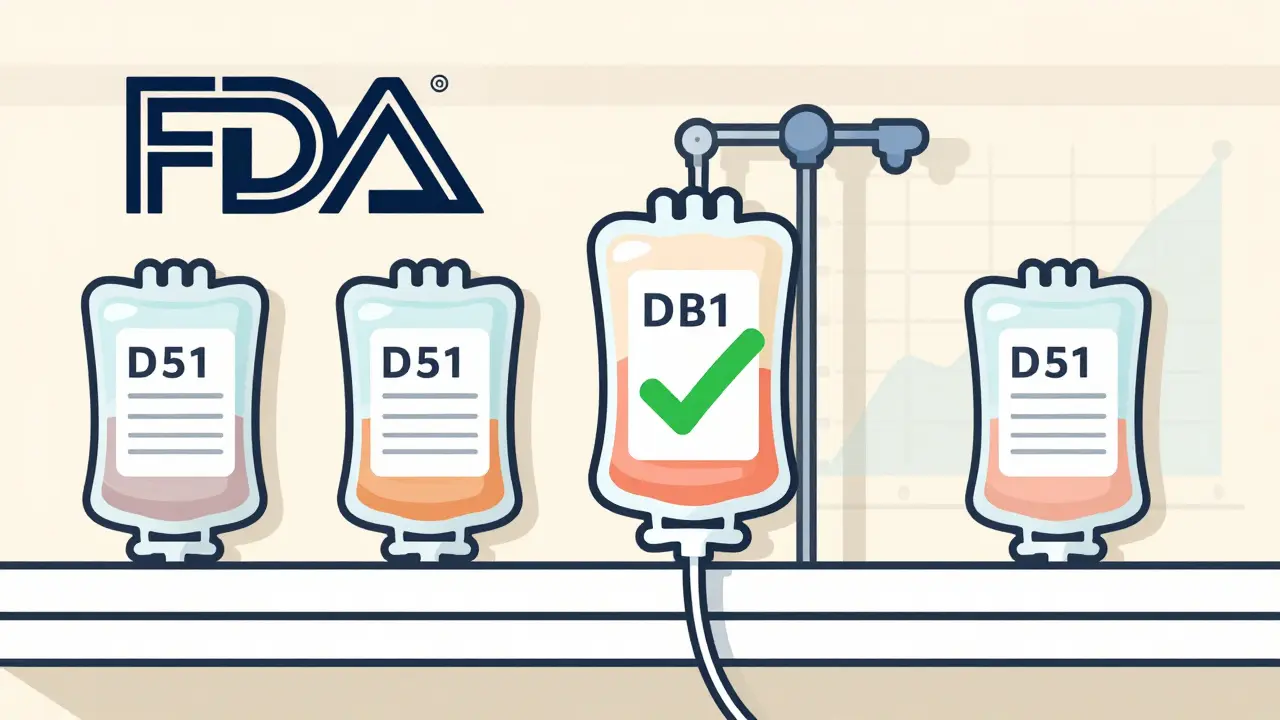
When a life-saving drug runs out, hospitals don’t just wait for more to arrive. In the U.S., the FDA has a powerful, little-known tool to keep patients stocked with essential medicines: extended expiration dates. This isn’t a loophole. It’s a science-backed, tightly controlled system that lets manufacturers and providers use drugs past their printed expiration date-when supply is critically low. And right now, with ongoing shortages of IV fluids, injectables, and emergency medications, this program is more active than ever.
What Exactly Is an Extended Use Date?
The expiration date on a drug bottle isn’t a hard stop. It’s the last day the manufacturer guarantees the product is fully potent and safe under labeled storage conditions. But stability testing often shows these drugs remain effective-and safe-long after that date. The FDA allows manufacturers to submit real-world stability data proving a drug’s quality hasn’t degraded. If approved, the agency grants an extension. This isn’t random. It’s based on hard data: chemical analysis, microbial testing, and physical integrity checks. The FDA doesn’t just accept claims. They review the data themselves.
For example, in October 2024, the FDA approved extending the use of certain Baxter IV fluid bags from 12 to 24 months after manufacture. That’s a two-year extension. Another case: Meperidine hydrochloride injection, originally set to expire September 30, 2025, was cleared for use until January 30, 2026. These aren’t blanket extensions. They apply to specific lots, with exact NDC numbers and batch codes listed in the FDA’s public database.
How the FDA Decides Which Drugs Qualify
Not every drug on the shortage list gets an extension. The FDA prioritizes based on clinical need. The word critical matters. Drugs like epinephrine, propofol, dantrolene, and emergency antibiotics are top candidates because alternatives either don’t exist or are far riskier. A patient in cardiac arrest needs epinephrine. There’s no substitute. A child with malignant hyperthermia needs dantrolene. Delaying treatment could be fatal.
The FDA’s Drug Shortages Staff uses a tiered system. They look at:
- How many patients rely on the drug
- Whether alternatives are available and safe
- How long the shortage has lasted
- Whether the manufacturer has provided high-quality stability data
Propofol, used in anesthesia and ICU sedation, is the most frequently extended drug. Why? It’s used in nearly every hospital daily. Even small shortages cause major disruptions. In 2024, over 40 lots of propofol received extended dates. In contrast, a less commonly used painkiller might not qualify, even if it’s in short supply.
How Extensions Are Approved
The process isn’t fast, but it’s structured. Manufacturers submit stability data from long-term testing-usually showing the drug remains stable for at least 12 more months. The FDA reviews it. If the data meets standards, they issue a notice. The extension typically adds one year, though some cases-like the Baxter IV bags-have gone as far as two years.
There are four official pathways:
- Manufacturer-initiated extensions: The most common. The company tests its own product and submits data.
- Shelf-Life Extension Program (SLEP): Originally for military stockpiles, now used for critical drugs.
- Emergency Use Authority (EUA): Used during public health emergencies, like the 2024 extension of Tamiflu and Relenza.
- Enforcement discretion: Rare. Used when a shortage is sudden and data isn’t fully ready yet.
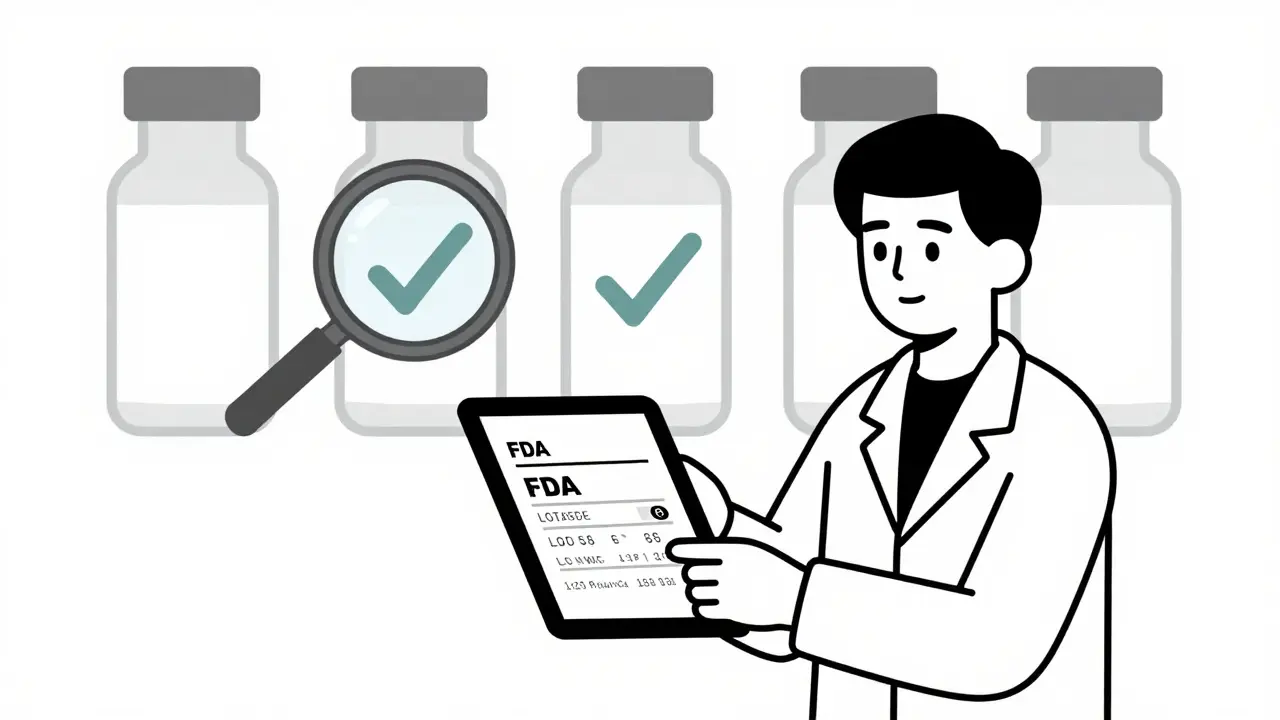
Importantly: the FDA does not require manufacturers to re-label the product. You won’t find a new expiration date printed on the vial. Instead, providers must check the FDA’s online table to see if their specific lot number qualifies. Pharmacies must update their inventory systems manually. One wrong batch used could be dangerous.
What Hospitals and Pharmacies Must Do
For healthcare workers, this isn’t just policy-it’s daily practice. A pharmacy technician in Houston, for instance, must:
- Check the FDA’s Drug Shortages page daily
- Match every incoming shipment’s lot number against the approved list
- Update internal tracking systems with extended dates
- Train staff to recognize which drugs have extensions and which don’t
Some hospitals use barcode scanners linked to the FDA database. Others rely on printed lists. Either way, mistakes happen. The American Hospital Association issued a bulletin in October 2024 specifically warning hospitals about Baxter IV solutions. They emphasized: “Do not assume all lots of a product have extended dates. Only those listed are approved.”
And when new stock arrives? The FDA expects those extended-date lots to be removed from use and properly discarded. This isn’t a permanent fix. It’s a bridge-buying time until manufacturing catches up.
Why This System Exists
The roots go back to 2012, with the Food and Drug Administration Safety and Innovation Act (FDASIA). Before that, manufacturers didn’t have to tell the FDA about potential shortages until it was too late. Now, they must report disruptions early. That gives the FDA time to act-before patients go without.
Another law, the Project BioShield Reauthorization Act (PAHPRA), gave the FDA explicit power to extend expiration dates for medical countermeasures-drugs stockpiled for bioterrorism or pandemics. That authority was used in 2024 to extend Tamiflu and Relenza, which were needed amid a surge in flu cases.
The system works. As of early 2026, over 343 drug products have active expiration date extensions. Without this, hospitals would be forced to ration care. A cancer patient might miss a chemotherapy infusion. A premature baby could go without essential IV nutrition. These extensions save lives.

Limitations and Risks
But this isn’t a cure-all. It doesn’t fix broken supply chains. It doesn’t solve single-source manufacturing. It doesn’t stop companies from discontinuing drugs because they’re not profitable. It’s a band-aid.
There are risks. If a drug’s stability data is flawed, patients could be exposed to degraded medication. That’s why the FDA’s review is so strict. But even then, storage matters. A vial left in a hot room for weeks won’t stay stable, even if its date is extended.
Also, some providers hesitate to use extended-date drugs. They fear liability. The FDA is clear: “We do not regulate the practice of medicine.” But they do say: if the lot is on the approved list, using it is within standard of care. The AMA encourages clinicians to use the FDA’s resources and trust the process.
What’s Next?
The FDA continues to update its shortage list daily. As of March 2026, shortages of IV fluids, insulin, and certain antibiotics remain active. New extensions are added weekly. The agency is also working with manufacturers to diversify production and improve quality control. But for now, extended expiration dates remain one of the most effective tools in the toolkit.
For patients: if your medication’s expiration date has passed, don’t panic. Check the FDA’s website. If your lot number is listed, it’s safe to use. If not, talk to your pharmacist. Don’t guess. Don’t assume. Use the official source.
For providers: know your inventory. Verify every lot. Train your team. The FDA’s database is public, free, and updated daily. It’s your lifeline.
Do extended expiration dates mean the drug is less effective?
No. The FDA only approves extensions when stability data shows the drug maintains its strength, purity, and identity beyond the original date. The extension isn’t a guess-it’s based on lab testing. In fact, many drugs remain stable for years past their labeled date. The FDA’s approval means the drug is still safe and effective.
Can I use a drug with an extended date if I’m not in a hospital?
Yes, if the lot number is on the FDA’s approved list. Whether you’re a home care patient, a long-term care facility, or a private clinic, the same rules apply. Always verify your specific lot number on the FDA’s public database. Never assume a drug is safe just because it looks fine. Always check the official source.
Why doesn’t the FDA just require manufacturers to make more of these drugs?
Manufacturing isn’t simple. Many critical drugs are made by a single facility. If that facility has a quality issue, production stops. Building new plants takes years. The FDA works with companies to fix problems, but it can’t force them to produce more. Extended expiration dates are a temporary fix while long-term solutions are developed.
Are there drugs that can’t get extended dates?
Yes. Drugs that are unstable, sensitive to light or heat, or have complex formulations (like biologics) rarely qualify. Also, if a drug has no stability data available, the FDA can’t approve an extension. The agency only extends dates when there’s clear, verifiable evidence the drug remains safe.
How do I find out if my drug has an extended expiration date?
Go to the FDA’s Drug Shortages page. Look for the section titled “Extended Use Dates.” You can search by drug name, NDC number, or manufacturer. The list includes the lot numbers approved for extension and the new use-by date. Pharmacies and hospitals are required to check this daily. If you’re unsure, ask your pharmacist to verify your medication’s lot number against the official list.
Next Steps for Patients and Providers
For patients: Keep a record of your medications. Note the lot number on the packaging. If you’re prescribed a drug that’s been in shortage, ask your pharmacist: “Is this lot on the FDA’s extended use list?” Don’t wait until you’re out of options.
For providers: Bookmark the FDA’s Drug Shortages page. Set up daily alerts. Train your pharmacy staff to cross-check lot numbers. Update your inventory software. The difference between a safe extension and a dangerous mistake is one check.
The system isn’t perfect. But when lives hang in the balance, the FDA’s extension program is one of the most reliable ways to keep critical drugs flowing.
Devin Ersoy
March 15, 2026 AT 05:48Look, I get it - the FDA’s extension program sounds like a miracle, but let’s be real: this is just corporate liability avoidance dressed up as public health heroics. You think they’re doing this because they care? Nah. They’re doing it because no one wants to be sued when a batch of IV fluid expires and a hospital runs out. The real scandal? The fact that we’re relying on a bureaucratic patchwork instead of fixing the broken manufacturing pipeline. It’s like patching a leaky dam with duct tape while the whole damn river floods the city.
And don’t even get me started on the ‘no re-labeling’ rule. That’s not efficiency - that’s negligence wrapped in a PowerPoint slide. A pharmacy tech in rural Iowa is supposed to manually cross-reference batch numbers against a live database? In 2026? Someone’s getting fired for this. Or worse - someone’s getting poisoned.
Also, props to the FDA for not requiring manufacturers to update labels. That’s peak bureaucratic genius. Let’s just let nurses and pharmacists play ‘spot the expired drug’ while the suits cash in on profit margins. Brilliant.
And yes, I’m aware this is how we avoid rationing care. But let’s not call it a solution. It’s a hostage situation with paperwork.
Scott Smith
March 16, 2026 AT 03:05This is one of those rare cases where the system actually works better than it should. The FDA’s approach is methodical, data-driven, and transparent - which is more than you can say for most government programs. The fact that they require specific lot numbers, publish them publicly, and review stability data themselves shows real competence.
What’s missing from the public conversation is how much this program prevents real suffering. A child on TPN, a cancer patient on chemo, a trauma patient on epinephrine - these aren’t hypotheticals. These are people who would die without these extensions. The fact that we can extend the life of these drugs with scientific rigor - not guesswork - is worth celebrating.
Yes, supply chains are broken. Yes, manufacturing is fragile. But this isn’t a band-aid - it’s a bridge built with peer-reviewed science. And right now, that bridge is saving lives.
Sally Lloyd
March 17, 2026 AT 01:48Let me ask you something - who exactly is approving these stability tests? Are we sure it’s not just pharmaceutical lobbyists with lab coats? I’ve read reports where companies submitted data from accelerated aging tests that were done in climate-controlled rooms - not real-world storage conditions. Hospitals don’t have refrigerated warehouses. Many don’t even have consistent AC.
And why is the FDA only extending dates for drugs that are in shortage? What if the shortage was manufactured? What if a company quietly reduced production to drive up prices? The FDA doesn’t investigate that. They just extend the expiration date and call it a day.
There’s a reason I don’t trust any government agency that uses the word ‘science-backed’ while refusing to require re-labeling. If it’s safe, why not just print the new date? Why make it a secret game? Someone’s hiding something.
Also - how many of these extended lots have been recalled after people got sick? The database doesn’t say. That’s not transparency. That’s obfuscation.
Emma Deasy
March 18, 2026 AT 10:07Oh. My. Gosh. This is absolutely breathtaking. The sheer elegance of this regulatory framework - I mean, really - the FDA has managed to balance public safety, pharmaceutical innovation, and logistical pragmatism in a way that is nothing short of poetic.
Think about it: we have a system where chemical integrity is verified through rigorous stability protocols - not just by manufacturers, but by the FDA itself - and then, rather than imposing burdensome re-labeling mandates (which would create chaos, I might add), they allow for a dynamic, real-time, digital verification system that empowers frontline clinicians.
And yet - and yet - some people are still whining about ‘band-aids’ and ‘corporate greed’? Please. This is the pinnacle of American regulatory excellence. The fact that we can extend the shelf life of epinephrine by 12–24 months without compromising safety? That’s not just science - it’s art.
I’m practically in tears. Someone please write a sonnet about the Baxter IV fluid extension. I’ll frame it. And hang it next to the Declaration of Independence.
Also - I just checked my insulin. Lot number 4582-77. It’s approved. I’m so relieved. Thank you, FDA. You’re my hero.
tamilan Nadar
March 18, 2026 AT 18:54Back home in Chennai, we don’t have this luxury. Our hospitals get drugs from multiple countries - some with no expiration tracking at all. We use whatever arrives. No database. No alerts. Just hope.
Here in the U.S., you have a system that’s transparent, precise, and backed by science. That’s rare. Most countries would kill for this. Don’t take it for granted.
Also - epinephrine lasts longer than you think. I’ve seen vials in Mumbai that were 3 years old and still worked. The real issue isn’t the drug - it’s the cold chain. If your fridge breaks, no extension date saves you.
Adam M
March 20, 2026 AT 11:31Extending expiration dates is just delaying the inevitable. Fix the supply chain or stop pretending this is a solution.
Rosemary Chude-Sokei
March 20, 2026 AT 21:41Thank you for this comprehensive and deeply informative overview. I’ve worked in hospital pharmacy for over 15 years, and I can say with absolute certainty: this program has been a lifeline.
There are days when we’re down to our last vial of propofol - and then we check the FDA database, and there it is: our lot, extended. We breathe. We administer. We save.
Yes, the system is imperfect. Yes, manual tracking is tedious. But the alternative - rationing care, turning patients away, watching children go without IV fluids - is unthinkable.
I’ve trained dozens of new technicians on how to verify lot numbers. It’s not glamorous. But it matters. And I’m grateful the FDA hasn’t abandoned this critical tool.
For anyone reading this: if you’re a provider, bookmark the page. If you’re a patient, ask your pharmacist. Knowledge is the safest drug we have.
Noluthando Devour Mamabolo
March 21, 2026 AT 00:17Let’s unpack this from a global health equity lens. The FDA’s program is a marvel of regulatory engineering - but it’s also a stark illustration of the asymmetry in pharmaceutical access.
While U.S. hospitals are cross-referencing NDC codes and updating LIMS systems, clinicians in sub-Saharan Africa are using expired insulin because it’s the only option left. No database. No alerts. No FDA. Just triage.
And here’s the kicker: the same manufacturers producing these extended-date drugs in the U.S. are shipping identical lots to low-income countries with no extension notices - and no warning labels.
This isn’t just a domestic policy win. It’s a global indictment. We’ve engineered a system that saves lives here - while leaving millions elsewhere to gamble with degraded meds.
Let’s not celebrate this as progress. Let’s demand it be exported.
Leah Dobbin
March 22, 2026 AT 05:34Of course the FDA approves these extensions. They’re cozy with Big Pharma. The same companies that lobbied against generic competition are now quietly pushing for longer shelf lives so they can hoard inventory and inflate prices. The FDA doesn’t care about patients - they care about industry stability.
And don’t you dare tell me it’s ‘science-backed.’ They approved an extension for a drug that had a 12% degradation rate in humidity tests. They called it ‘within acceptable limits.’
That’s not science. That’s corruption with a lab coat.
Also - why is the database so hard to navigate? Because they don’t want you to find it. They want you to stay scared. They want you to keep paying full price for ‘new’ drugs.
Wake up. This isn’t safety. It’s a scam.
Ali Hughey
March 22, 2026 AT 22:37ALERT. ALARM. EMERGENCY. THE FDA IS RUNNING A SECRET DRUG EXTENSION PROGRAM - AND NO ONE IS TELLING YOU THE TRUTH.
Here’s what they’re not saying: these ‘stability tests’? They’re often done by the same labs that are owned by the drug manufacturers. Conflict of interest? Oh yes. And the FDA? They rubber-stamp it. Why? Because they’re underfunded. Understaffed. And under the thumb of pharmaceutical lobbyists.
And here’s the real horror - the FDA’s database? It’s not real-time. It’s updated once a week. That means hospitals are using drugs with EXTENDED DATES that were later RECALLED - and no one knows.
Also - why are they not requiring re-labeling? Because if they did, patients would panic. And if patients panic - they sue. And if they sue - the manufacturers flee. So they hide it. They hide it all.
Someone’s dying. Someone’s already died. And they’re covering it up.
Share this. Tag your senator. Do NOT use any drug with an extended date. Not until we get a full congressional investigation.
❤️🩺⚠️
Alex MC
March 23, 2026 AT 20:46Reading this made me feel hopeful - not because the system is perfect, but because it’s trying. Real people - pharmacists, technicians, FDA reviewers - are showing up every day to make sure a child gets their IV fluid, a cancer patient gets their chemo, a trauma patient gets their epinephrine.
It’s messy. It’s manual. It’s not glamorous. But it works.
I work in a rural ER. Last month, we had two vials of dantrolene left. We checked the database. One lot was extended. We used it. The patient woke up. No complications.
That’s what this is. Not politics. Not profit. Just people doing the right thing - even when no one’s watching.
Thank you to everyone who keeps this system running.
❤️