

Before 2012, getting a generic drug approved in the U.S. could take years. The FDA was drowning in paperwork-thousands of applications sat untouched while patients waited for affordable medicines. That changed with the Generic Drug User Fee Amendments, or GDUFA. This isn’t just a bureaucratic tweak. It’s a law that rewired how the FDA reviews generic drugs, turning a broken system into one that works faster, fairer, and with real accountability.
Why GDUFA Was Needed
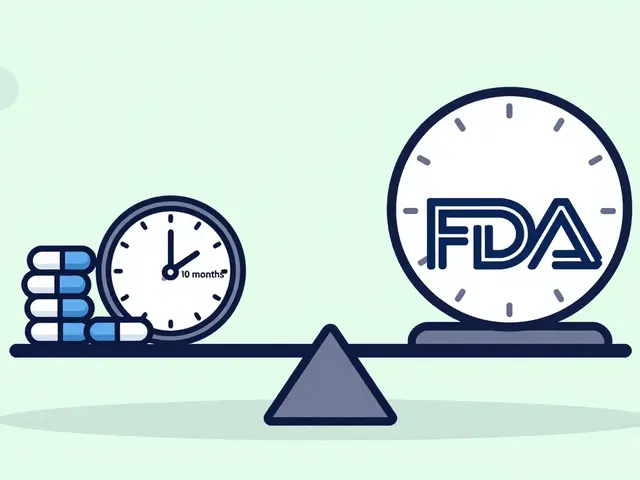
In 2011, the FDA had over 1,300 pending applications for generic drugs. Some had been waiting more than five years. Meanwhile, 90% of all prescriptions filled in the U.S. were for generics. People needed these drugs-cheaper, safe, and just as effective as brand-name versions-but the system couldn’t keep up. The problem wasn’t lack of trying. The FDA was underfunded. Congress gave them a budget, but it wasn’t enough to hire enough reviewers or inspect overseas factories that made most of America’s generic pills. So Congress did something unusual: it let the FDA charge the companies that benefit from faster approvals. That’s the core of GDUFA. Generic drug makers pay fees. In return, the FDA commits to clear timelines: review applications within 10 months, inspect factories on schedule, and publish progress reports every quarter. It’s a deal: industry pays, FDA delivers.How GDUFA Works: The Fee Structure
GDUFA isn’t one flat fee. It’s a layered system designed to cover every part of the process. Manufacturers pay:- A one-time fee when they submit an ANDA (Abbreviated New Drug Application)
- A fee for each supplement to an existing application
- A fee when they first reference a Drug Master File (DMF)
- Annual fees for every facility that makes the drug-whether it’s in Ohio or India
| Facility Type | Domestic Fee | Foreign Fee |
|---|---|---|
| Finished Drug Formulation (FDF) | $189,750 | $204,750 |
| Active Pharmaceutical Ingredient (API) | $27,500 | $42,500 |
Three Waves of Change: GDUFA I, II, and III
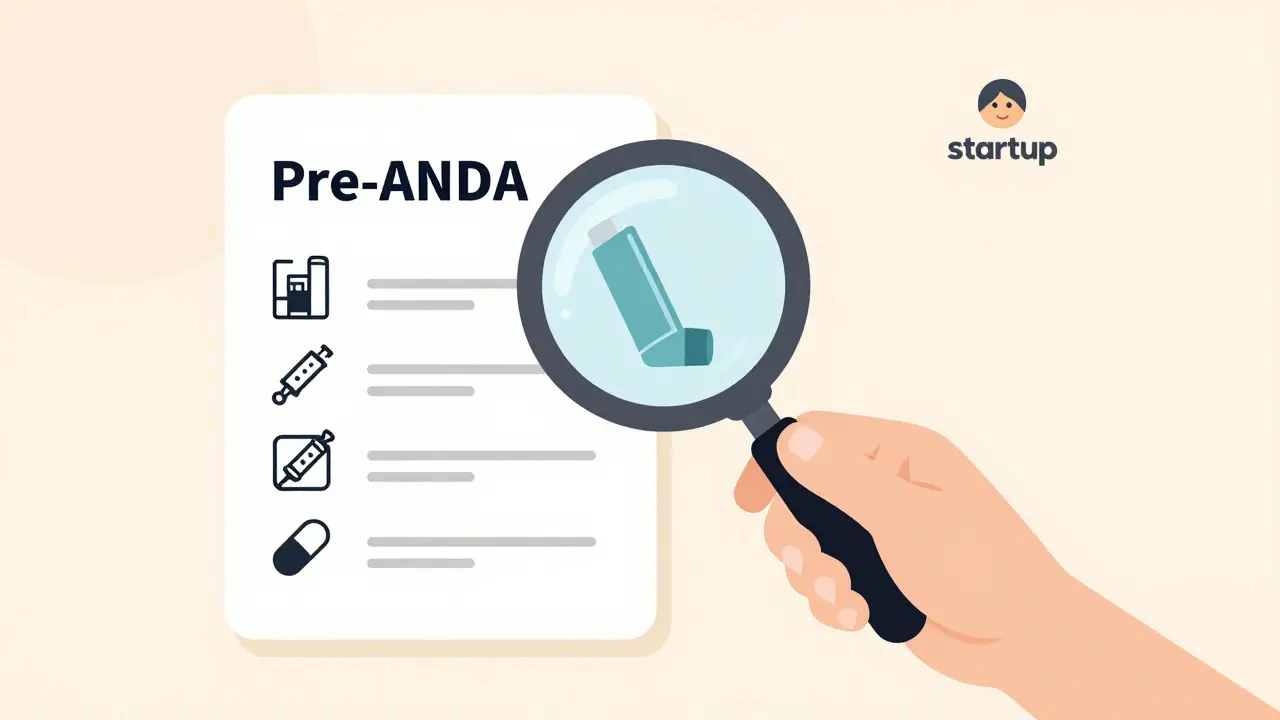
GDUFA wasn’t a one-time fix. It’s been updated every five years. GDUFA I (2013-2017) created the system. It slashed the backlog by 80%. Review times dropped from over 30 months to under 10. But it had a hidden flaw: the fees hit small companies hard. If you made one generic drug, you paid the same annual fee as a giant with 50 products. That pushed smaller players out. Big companies got bigger. GDUFA II (2018-2022) fixed that. Congress lowered fees for companies with fewer products. It introduced a “small business” discount. It also added more transparency-publishing review timelines and inspection results publicly. The goal? Fairer competition. GDUFA III (2023-2027) went further. It created the Pre-ANDA Program. Now, companies can meet with FDA scientists *before* submitting their full application. They ask questions. The FDA gives feedback. It’s like a trial run. For complex drugs-like inhalers or injectables that are hard to copy-this saves months, sometimes years. GDUFA III also added the ANDA Assessment Program, which gives priority review to drugs that fill gaps in the market-like ones treating rare conditions or replacing discontinued brands. And the FDA now posts monthly updates on its website: how many applications are reviewed, how many inspections are done, how many are delayed.
Who Benefits? And Who Struggles?
Patients win. More generics mean lower drug prices. In 2023, generics saved the U.S. healthcare system over $370 billion. That’s because GDUFA got more drugs to market faster. The FDA wins too. They have the staff, the tools, and the deadlines to do their job. Before GDUFA, reviewers were overloaded. Now, they have clear goals and enough resources to hit them. But not everyone thrives. Small generic manufacturers still feel the pinch. Even with discounts, the annual facility fee can be tens of thousands of dollars. For a startup with one product, that’s a huge chunk of their budget. Some never apply. Others delay. That means fewer competitors, which can lead to higher prices down the line. Foreign manufacturers-especially in India and China-complain the fee gap isn’t fair. They say the $15,000 difference doesn’t match actual inspection costs. The FDA says it does. The data shows inspections abroad take longer, require more staff, and involve more travel. But the debate continues.What’s Next? GDUFA IV and Beyond
GDUFA III ends in September 2027. Negotiations for GDUFA IV are already starting. Industry groups are pushing for:- Bigger discounts for small businesses
- Lower fees for complex generics that take longer to develop
- More digital submissions-no more paper forms
- Clearer rules for biosimilars (next-gen generics)
How Manufacturers Stay Compliant
If you’re a company trying to get a generic drug approved today, here’s what you need to do:- Register all your facilities-domestic and foreign-on the FDA’s website.
- Pay the correct fees on time. Miss a deadline? Your application gets paused.
- Use the Pre-ANDA Program if your drug is complex. Don’t wait until submission.
- Track your application status on the FDA’s public portal. They update it weekly.
- Keep your Drug Master File (DMF) current. Outdated info delays approval.
The Bigger Picture
GDUFA isn’t just about paperwork. It’s about access. Every time a generic drug hits the market, it saves money for patients, insurers, and the government. In 2024, the average price of a generic prescription was $14. The brand-name version? Over $200. This system works because it’s built on trust: industry pays, FDA delivers. And it’s held accountable by law, by data, and by public reporting. The real test isn’t whether GDUFA speeds things up-it’s whether it keeps doing so without locking out the little guys. That’s the challenge for GDUFA IV. Right now, the system is the best we’ve ever had. But it’s not perfect. And it won’t stay that way unless everyone-industry, regulators, and lawmakers-keeps pushing for better.What is GDUFA and why does it matter?
GDUFA, or the Generic Drug User Fee Amendments, is a U.S. law that lets the FDA collect fees from generic drug makers to fund faster review of their applications. Before GDUFA, the FDA had a massive backlog of applications. Since its start in 2012, GDUFA has cut review times from over 30 months to under 10, helping millions of patients get affordable medications faster.
Who pays the GDUFA fees?
Generic drug manufacturers pay the fees. This includes companies that make the finished drug (like pills or injections) and those that produce the active ingredient (API). Both U.S.-based and foreign manufacturers pay, but foreign facilities pay $15,000 more per facility to cover higher inspection costs.
How often is GDUFA reauthorized?
GDUFA is reauthorized by Congress every five years. The current version, GDUFA III, runs from October 2022 through September 2027. The next version, GDUFA IV, will be negotiated starting in 2025 to take effect in 2028.
Does GDUFA apply to all generic drugs?
Yes, GDUFA applies to all Abbreviated New Drug Applications (ANDAs) for generic versions of approved brand-name drugs. This includes simple pills and complex products like inhalers, injectables, and topical creams. GDUFA III added special pathways for complex generics to improve their review process.
Are GDUFA fees the same for small companies?
No. GDUFA II introduced a small business discount to help companies with fewer products. These companies pay reduced facility fees based on how many generic drugs they market. This was added to prevent large manufacturers from dominating the market simply because they could afford the fees.
Where can I find GDUFA fee rates and deadlines?
The FDA publishes annual fee rates in the Federal Register, usually in July. Deadlines for payments and submissions are listed on the FDA’s Generic Drugs website. The agency also provides fee calculators and payment guides to help manufacturers stay compliant.
Nancy Kou
December 21, 2025 AT 02:28GDUFA is one of those rare policy wins where everyone actually gets something out of it-patients get cheaper meds, the FDA gets the resources to do its job, and companies get predictability. It’s not perfect, but it’s lightyears ahead of the pre-2012 mess where applications just sat there like forgotten library books.
Alex Curran
December 22, 2025 AT 14:36What’s wild is how the fee structure actually reflects real-world costs-foreign inspections are way more expensive because of travel, language barriers, and logistics. Most people think it’s just corporate greed, but the FDA’s got actual spreadsheets showing how many hours inspectors spend on flights, hotels, translators, and overtime. It’s not arbitrary.
Hussien SLeiman
December 23, 2025 AT 06:52Let’s be real-this whole system is a corporate handout dressed up as public service. The FDA’s supposed to be an independent watchdog, not a fee-collecting middleman. And don’t get me started on how the ‘small business’ discount is just a polite way of saying ‘we still favor the big players.’ You think a startup in Iowa can afford to hire a regulatory consultant just to file an ANDA? No. They just give up and let the big pharma oligarchs corner the market. This isn’t reform-it’s consolidation with better PR.
And don’t even mention GDUFA IV. They’re already talking about ‘digital submissions’ and ‘AI inspections.’ Next thing you know, a bot in a basement in Virginia is approving insulin without ever seeing a single batch. We’re outsourcing public health to algorithms while pretending it’s progress.
Dorine Anthony
December 24, 2025 AT 03:16I’ve been on the receiving end of generic meds for years-diabetes, blood pressure, you name it. The price difference is insane. My brand-name insulin was $400 a vial. The generic? $25. And it works just as well. I don’t care about the paperwork behind it-I just care that I can afford to live. So thank you, GDUFA, for making that possible.
mark shortus
December 25, 2025 AT 01:55OKAY SO I JUST READ THIS AND I’M SHAKING. I MEAN-THE FDA IS NOW USING AI TO INSPECT FACTORIES?? LIKE… ARE WE REALLY LETTING A COMPUTER LOOK AT A PHARMACEUTICAL PRODUCTION LINE IN INDIA?? WHAT IF IT MISSES A CONTAMINANT?? WHAT IF IT’S TRAINED ON DATA FROM A FACTORY THAT’S BEEN CORRUPTED?? THIS ISN’T INNOVATION-THIS IS A NIGHTMARE WAITING TO HAPPEN. I’M NOT EVEN KIDDING. I JUST GOT CHILLS.
Chris Clark
December 25, 2025 AT 12:47For real though, the whole foreign fee thing? Totally makes sense. I’ve been to a few pharma plants in Hyderabad and the logistics are wild. You got customs delays, language issues, inspectors flying out for weeks, hotels booked months in advance. And yeah, they charge more for that. But here’s the thing-most of these plants are cleaner than some U.S. facilities I’ve seen. The fee isn’t punishment-it’s cost recovery. Stop acting like it’s a conspiracy.
anthony funes gomez
December 25, 2025 AT 17:09The structural irony here is that GDUFA-designed to democratize access to generics-has, in practice, reinforced market concentration via regulatory capture. The fee architecture, while ostensibly tiered, creates non-linear cost burdens that disproportionately affect marginal actors, thereby accelerating the natural selection of capital-intensive oligopolies. The Pre-ANDA Program, though ostensibly collaborative, functions as a de facto gatekeeping mechanism wherein only entities with sufficient legal and regulatory infrastructure can meaningfully participate. Thus, the rhetoric of efficiency masks a deeper phenomenon: the institutionalization of asymmetrical power.
William Storrs
December 26, 2025 AT 04:54Hey everyone-just wanted to say this is one of the most important public health stories you’ll read this year. GDUFA isn’t sexy, but it’s saving lives. If you’re a small manufacturer reading this-don’t give up. Use the Pre-ANDA Program. Reach out to the FDA’s help line. There are grants and resources out there. You’re not alone. Keep pushing. The system’s not perfect, but it’s better because you’re in it.
Nina Stacey
December 27, 2025 AT 19:43I just want to say thank you to the FDA reviewers who actually read these applications. I know they’re overwhelmed. I know they’re underpaid. I know they’re dealing with 500 submissions a week and half the staff they need. I’ve talked to them. They care. This system works because of them-not the fees, not the tech, not the politics. Just real people trying to do their job right.
James Stearns
December 29, 2025 AT 06:45It is, without question, an affront to the sanctity of public health governance that the regulatory apparatus of the United States Federal Drug Administration has been rendered dependent upon the voluntary financial contributions of private commercial entities. This constitutes, in the strictest sense, a violation of the fiduciary principle upon which public health regulation is predicated. One cannot simultaneously be judge, jury, and paid beneficiary. The GDUFA framework, however expedient, is ethically indefensible and legally precarious.