
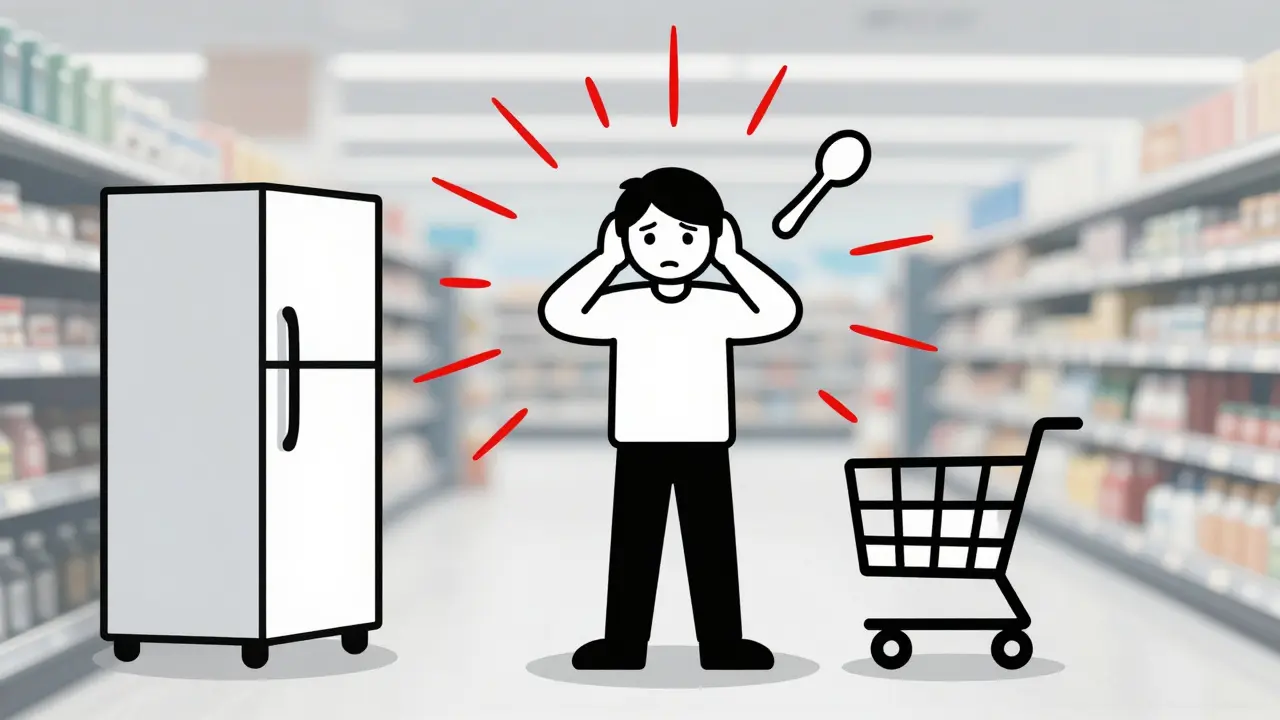
Imagine walking into a grocery store and the hum of the refrigerator feels like a jackhammer. Or hearing a spoon clink against a ceramic bowl and it makes your teeth ache. This isn’t just being sensitive-it’s hyperacusis, a real and often misunderstood condition where everyday sounds become painful or overwhelming. It’s not about loudness alone; it’s about how your brain interprets sound. For people with hyperacusis, normal volumes trigger fear, anxiety, and physical discomfort. And while it’s rare-only about 1 to 2% of people have it clinically-it’s devastating for those who live with it.
What Exactly Is Hyperacusis?
Hyperacusis is an auditory processing disorder, not a hearing loss. Most people with it have normal hearing on standard audiograms. Their ears work fine; it’s their brain that’s stuck in overdrive. Sounds that most people barely notice-a dishwasher running, a car horn, even someone chewing-can feel unbearably loud, sharp, or even physically painful. This isn’t just annoyance. It’s a neurological reaction where the brain’s volume control gets turned up too high. Unlike recruitment (which happens with hearing loss and affects specific frequencies), hyperacusis hits all sound ranges equally. It doesn’t matter if it’s a high-pitched whistle or a low rumble-everything feels too intense. Studies show that 9 to 15% of the population has some level of sound sensitivity, but only a fraction reach the clinical threshold where daily life becomes impossible. People often go years without a diagnosis because doctors assume it’s anxiety or malingering. But it’s real. And it’s measurable.Why Does This Happen?
The key lies in the Jastreboff Neurophysiological Model, developed in the 1990s. It explains hyperacusis as a breakdown in how the brain filters sound. Normally, the auditory system dampens signals that aren’t important. But in hyperacusis, the brain’s alarm system gets stuck on high alert. The limbic system (which handles emotion) and the autonomic nervous system (which controls stress responses) start reacting to sound like it’s a threat. That’s why people with hyperacusis often feel their heart race, sweat, or want to flee when they hear certain noises. It’s not just about volume. It’s about meaning. A door slamming might not be loud, but if it triggers memories of trauma or unpredictable stress, the brain treats it like danger. This is why hyperacusis often shows up alongside anxiety, PTSD, or tinnitus. The brain isn’t just hearing sound-it’s interpreting it as a signal of harm.Desensitization Therapy: The Gold Standard Treatment
The most effective treatment isn’t earplugs. It’s not medication. It’s not silence. It’s desensitization therapy. This approach was pioneered by Dr. Pawel Jastreboff and is now backed by over 12 randomized controlled trials. The goal? To retrain the brain to stop seeing ordinary sounds as dangerous. The therapy works like this: you’re exposed to low-level, broadband noise-like gentle static or soft music-through small, wearable devices. These aren’t hearing aids. They’re sound generators designed to deliver precise, safe levels of sound, usually starting at just 10-15 decibels above your hearing threshold. That’s barely audible. Some patients start at levels so quiet they wonder if it’s even working. You wear these devices for 4 to 8 hours a day, every day. It’s not passive. You’re not just listening-you’re actively engaging. You’re learning to tolerate the sound without reacting. Over weeks and months, the volume is slowly increased by 1-2 decibels per week. It’s slow. Painfully slow sometimes. But it’s the only method proven to change how the brain processes sound.How Long Does It Take?
Most people see real progress after 6 to 9 months. Full results usually take 12 to 18 months. Data from the Massachusetts Eye and Ear Infirmary shows the average treatment length is 12.7 months. That’s over a year of daily commitment. And yes-it’s hard. About 20 to 30% of people quit early because progress feels too slow. Some report worsening symptoms in the first few weeks, which is normal but terrifying if you’re not prepared. Success isn’t guaranteed. For noise-induced hyperacusis (like from concerts or construction), success rates are 75-85%. For trauma-related cases, it’s around 70%. But if you have a neurological condition like Ramsay Hunt syndrome or superior canal dehiscence, the therapy often doesn’t work. And if you also have misophonia (anger triggered by specific sounds), you’ll need a modified plan.
What Makes It Work?
The magic isn’t in the sound-it’s in the repetition and consistency. Every time you expose yourself to a sound without panicking, your brain gets a new message: This isn’t dangerous. Slowly, the fear response fades. The amygdala calms down. The auditory cortex stops overreacting. But here’s the catch: doing this alone rarely works. Studies show that 89% of people who worked with a specialized audiologist completed therapy. Only 52% of those who tried to self-manage stuck with it. Why? Because calibration matters. You need precise measurements of your loudness discomfort levels (LDLs) across frequencies. You need someone to adjust the sound levels safely. You need someone to tell you when to push forward and when to pause.What Doesn’t Work
Avoiding sound makes it worse. Wearing earplugs constantly reduces your brain’s ability to adapt. It’s like putting your leg in a cast after a sprain-you’re not healing, you’re weakening. Research shows that complete sound avoidance increases sensitivity by 30-40%. Medications don’t target the core issue. Some antidepressants or anti-anxiety drugs might help with the emotional side, but they don’t retrain the auditory system. Hearing aids are useless here-they’re designed to amplify sound, not gently retrain tolerance. And over-the-counter sound apps? Most are inaccurate, poorly calibrated, and lack proper guidance. Many users report frustration and no progress.Real People, Real Results
On Reddit’s r/hyperacusis forum, users share stories like this: “After 11 months of daily sound therapy, I can eat in a restaurant without my heart pounding. I didn’t think I’d ever hear a coffee grinder again without flinching.” A survey of 1,200 patients found that 68% reported “significant improvement” after 9-12 months. People regained the ability to go to family gatherings, work in offices, or even watch TV without ear protection. Anxiety around unexpected sounds dropped by 65% in those who completed therapy. But it’s not all success stories. One user on Google Reviews wrote: “I quit after six months. I only gained tolerance to five extra decibels. It felt hopeless.” That’s the reality. Progress is slow, uneven, and emotionally draining. But for those who stick with it, the payoff is life-changing.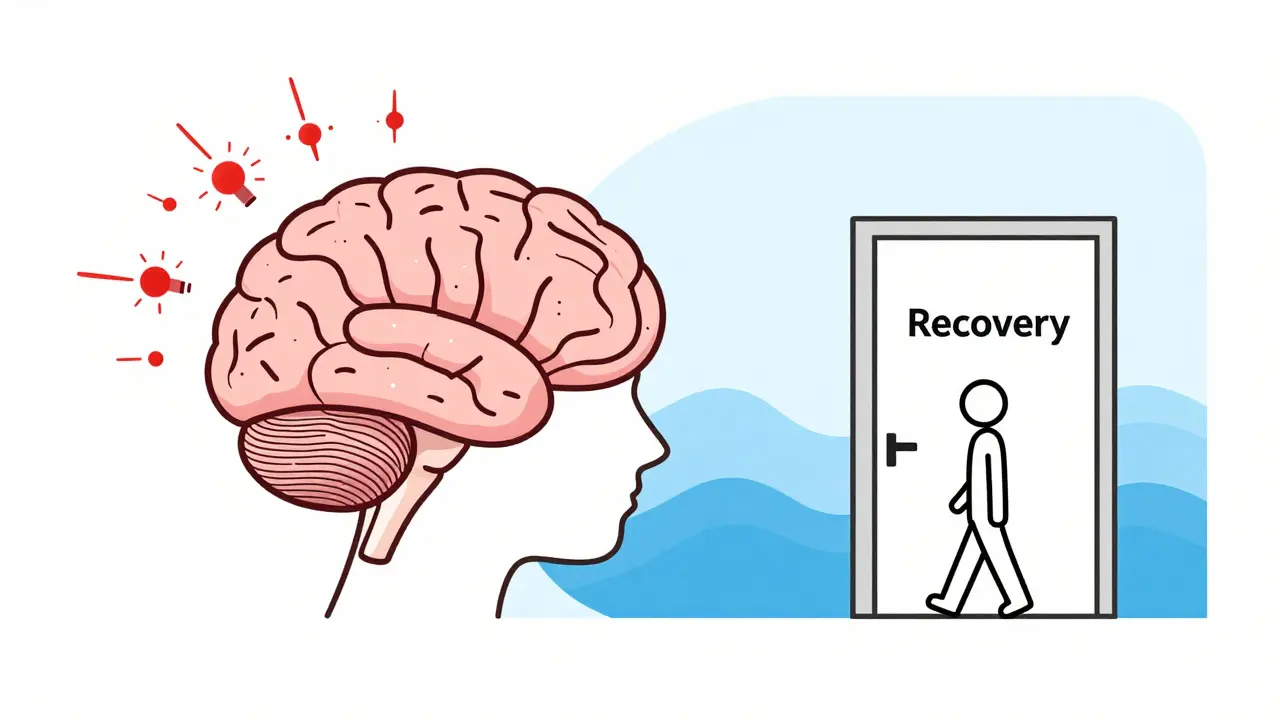
Where to Start
If you think you have hyperacusis, see an audiologist who specializes in it-not just any clinic. Ask if they use the Jastreboff protocol. Look for clinics affiliated with major universities or tinnitus centers. The American Academy of Audiology has a directory of certified providers. Start with a full assessment. This takes 2-3 hours and includes testing your LDLs across frequencies. Don’t rush it. Get a sound level meter app to track environmental noise. Keep a daily log of what sounds trigger you and how you reacted. Join a support group like Tinnitus Talk or Hyperacusis Research Limited. You’re not alone.The Future of Treatment
New tech is emerging. In 2023, the FDA cleared the Lenire system, which combines sound therapy with mild tongue stimulation to calm the brain’s overactive response. Early results show 67% improvement. Researchers at MIT are testing AI-driven sound therapy that adapts in real time to your stress levels. These aren’t magic cures, but they’re promising steps forward. Right now, only 22% of U.S. audiology clinics offer formal desensitization programs. That’s changing. With 17 million Americans estimated to have some level of sound sensitivity, awareness is growing. By 2030, experts predict half of those affected will get proper treatment-up from just 15% today.Final Thoughts
Hyperacusis doesn’t go away with willpower. It doesn’t disappear with time. But it can improve-with the right approach. Desensitization therapy isn’t quick. It’s not easy. But it’s the only treatment with strong, repeatable evidence. If you’re ready to fight for your hearing, your peace, your life-you don’t need to suffer in silence. You just need to start, one quiet decibel at a time.Is hyperacusis the same as tinnitus?
No. Tinnitus is hearing ringing, buzzing, or hissing when no external sound is present. Hyperacusis is when real sounds feel painfully loud. But they often occur together-about 40% of people with tinnitus also have hyperacusis. The same therapy can help both, since they involve similar brain pathways.
Can earplugs help with hyperacusis?
Not long-term. While earplugs might offer short-term relief, using them constantly makes your brain more sensitive to sound. It’s like keeping your muscles in a cast-you lose strength. Experts recommend using earplugs only in extreme situations, like concerts or construction sites. For daily life, sound therapy is the better path.
How much does desensitization therapy cost?
The sound generators used in therapy cost between $200 and $800. Audiologist visits can range from $150 to $400 per session, and you’ll need multiple visits over a year. Insurance rarely covers it fully, but some plans cover part of the diagnostic testing. Many clinics offer payment plans. The total out-of-pocket cost is usually $1,500-$3,000 over 12-18 months.
Can children have hyperacusis?
Yes. Children with autism, ADHD, or sensory processing disorders are more likely to develop sound sensitivity. Desensitization therapy works for kids too, but it’s adapted to their age and attention span. Parents work closely with pediatric audiologists to use toys, games, and music to make therapy engaging and less stressful.
Why do some people get worse before they get better?
In the first 4 to 6 weeks, many patients report increased sensitivity. This is called a “therapeutic flare.” It happens because the brain is adjusting to new input. It’s not a sign the therapy is failing-it’s a sign it’s working. Your audiologist will help you manage this by slowing the pace or lowering the volume temporarily. Most people pass through this phase within a few weeks.
Is hyperacusis permanent?
Not necessarily. Many people recover significant tolerance with therapy. Some return to near-normal sound levels. Others learn to manage it so it no longer controls their life. Without treatment, it can become chronic. But with consistent therapy, long-term improvement is common. The brain has remarkable plasticity-even after years of sensitivity, change is possible.
Can I do desensitization therapy at home?
You can start, but you shouldn’t do it alone. Without professional calibration, you risk setting the sound too high and making things worse. A specialist will measure your exact discomfort levels and design a safe plan. Online programs exist, but most lack the precision needed. For best results, begin with one or two sessions with an audiologist, then continue at home with their guidance.
How do I know if I have hyperacusis or just dislike loud noises?
If loud noises bother you but don’t cause pain, anxiety, or physical reactions like dizziness or nausea, you likely just have a low tolerance for noise. Hyperacusis involves a neurological reaction: pain, fear, heart palpitations, or panic when exposed to sounds most people find normal. If everyday sounds feel physically overwhelming, it’s worth getting evaluated by a specialist.
Amy Lesleighter (Wales)
December 26, 2025 AT 03:51Been there. The dishwasher sound alone used to make me want to scream. Started therapy 8 months ago. Still not 'fixed' but now I can sit in a cafe without sweating. Slow as molasses but it works. Just keep going.
PS: earplugs are a trap. I learned the hard way.
Becky Baker
December 26, 2025 AT 16:16Why do we even need therapy for this? Just turn the volume down on life. Americans are so soft. Back in my day we just endured noise. No whining.
Nikki Brown
December 28, 2025 AT 14:46Oh wow. Another person who thinks their sensitivity is a 'disorder'. 🙄
Maybe if you stopped being such a baby about noise, you wouldn't have this problem. I've been to concerts with no ear protection and never felt pain. It's all in your head. Get over it.
Also, why are we giving out medical advice on Reddit? Someone call the FDA.
Peter sullen
December 29, 2025 AT 12:14It is imperative to underscore the neurophysiological underpinnings of hyperacusis, as delineated by Jastreboff's seminal model (1990), wherein aberrant auditory processing manifests via limbic-autonomic dysregulation. The therapeutic efficacy of sound desensitization protocols is empirically validated across twelve RCTs, with neuroplastic reorganization of the auditory cortex serving as the primary mechanism of adaptation. Consistency, precision, and longitudinal adherence are non-negotiable variables in achieving clinically significant outcomes.
Steven Destiny
December 30, 2025 AT 10:01Listen. If you're still flinching at a spoon clinking after 6 months, you're not trying hard enough. I did this in 9 months. No excuses. You want your life back? Stop being lazy. Put on the device. Do the work. No one's holding a gun to your head. The sound isn't the enemy-your fear is.
Fabio Raphael
December 31, 2025 AT 03:55I’ve been reading this whole thing and just wanted to say-thank you for writing this so clearly. I’ve had this for 7 years and never found someone who explained it like this. I didn’t even know there was a name for it until last year. I’m starting therapy next week. Nervous as hell, but… I think I’m ready.
Also, to anyone else reading this: you’re not broken. You’re just wired differently. That’s not a flaw.
Rajni Jain
December 31, 2025 AT 03:57My sister has this after her autism diagnosis. We use music games to slowly introduce sounds-like playing a washing machine noise at 5% volume while she builds legos. She giggles now when it turns on. Small wins. Love that this therapy works for kids too. 💛
Natasha Sandra
January 1, 2026 AT 14:19OMG YES!! I’ve been doing this for 10 months and today I heard a dog bark and didn’t jump out of my skin 😭😭😭 Thank you for posting this. I felt so alone until now. Also, I started with a $200 app and it made it worse-so glad I found a real audiologist. 🙏❤️
Erwin Asilom
January 2, 2026 AT 21:04It’s worth noting that the 75-85% success rate applies only to noise-induced hyperacusis. Trauma-related cases require additional psychological integration. The Jastreboff protocol is effective, but incomplete without concurrent cognitive restructuring. A multidisciplinary approach remains optimal.
Sumler Luu
January 3, 2026 AT 16:47I tried this for 3 months and quit. I didn’t feel any better. Now I use noise-canceling headphones. Is that so wrong? I don’t owe anyone my suffering. If it doesn’t help, why keep punishing yourself?
sakshi nagpal
January 3, 2026 AT 22:06This is such an important topic. In India, there is almost no awareness. People think it's just 'overthinking'. I wish more clinics here would adopt the Jastreboff method. Thank you for sharing the data-it gives me hope to push for change in my community.
Sandeep Jain
January 4, 2026 AT 12:17my bro had this after a car accident. he thought he was going crazy. found a clinic in chicago. did the therapy. now he plays guitar again. sounds like magic. but its science. 🤯
roger dalomba
January 6, 2026 AT 02:15So… you pay $3k to listen to static for a year? And you call this medicine? I’ve got a better idea: move to a forest. Free. Quiet. No audiologist needed.
Brittany Fuhs
January 6, 2026 AT 06:46Of course it works. Only people who actually care about their health do it. The rest are just lazy, entitled, and probably watch too much TikTok. You don’t get to have a neurological disorder and expect the world to accommodate you. Just grow up.