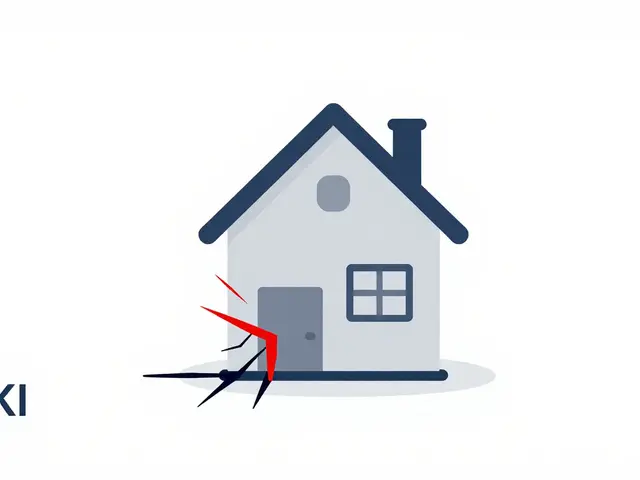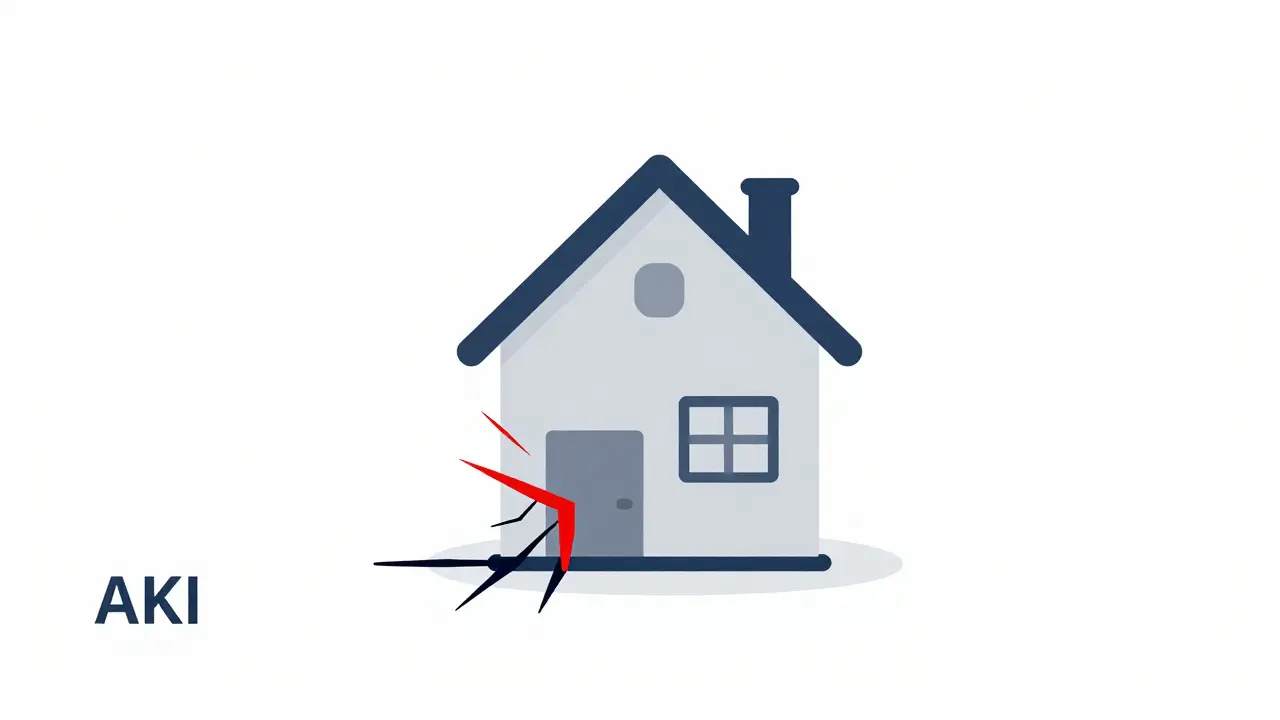
Imagine having a set of kidneys that already struggle to keep up-that's AKI on CKD. It is a high-risk scenario where someone with Chronic Kidney Disease (CKD) suffers a sudden, sharp drop in kidney function. It is like a house with a shaky foundation suddenly hitting a major earthquake; the damage is often much worse than it would be for a healthy person. When this happens, the goal shifts from long-term management to immediate damage control, specifically by scrubbing away any medications or procedures that could push the kidneys over the edge.
What exactly is AKI on CKD?
To understand this, we first have to look at the players. Chronic Kidney Disease is a long-term condition where the kidneys don't work as well as they should, typically measured by a low estimated glomerular filtration rate (eGFR). When a patient with this baseline dysfunction experiences Acute Kidney Injury (AKI), it is an abrupt reduction in function-usually within 48 hours. This is often flagged by a jump in serum creatinine of 0.3 mg/dL or more, or a significant drop in urine output.
For someone with CKD, the "buffer zone" is gone. A medication that might cause a mild dip in kidney function for a healthy adult can trigger total renal failure in a CKD patient. This is why the KDIGO (Kidney Disease: Improving Global Outcomes) guidelines are so critical; they provide the roadmap for spotting these crashes early and stopping the bleeding, so to speak.
The Danger of Contrast-Induced AKI
Medical imaging often requires Iodinated Contrast Media, the dye used in CT scans or angiograms. While helpful for diagnosis, this dye can be toxic to the renal tubules. In the general population, the risk of Contrast-Induced Acute Kidney Injury (CI-AKI) is low, but for those with CKD stages 3 to 5, the incidence can skyrocket to as high as 50%.
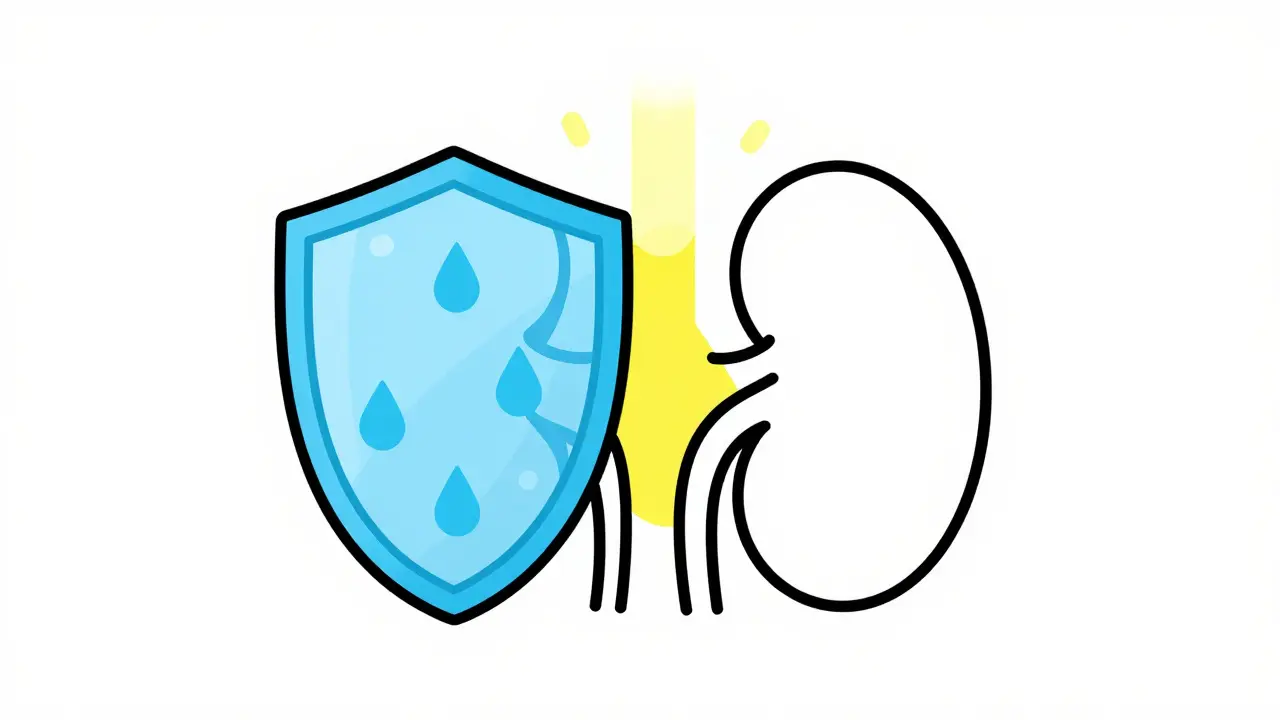
If a contrast study is absolutely necessary, it isn't a matter of "yes or no," but "how." The best way to protect the kidneys is through aggressive hydration. Using isotonic saline (normal saline) at a rate of 1.0 to 1.5 mL/kg/h for several hours before and after the procedure helps flush the dye through the system faster, reducing the time the toxins sit in the kidney tissues. In some high-risk cases, clinicians might limit the dose to 100 mL or less, or even consider alternative imaging like ultrasound or MRI that doesn't rely on iodinated dyes.
| eGFR Level | Risk Level | Recommended Action |
|---|---|---|
| > 60 mL/min | Low | Standard contrast protocol; routine hydration. |
| 30-44 mL/min | Moderate to High | Lowest possible dose; strict isotonic saline hydration. |
| < 30 mL/min | Very High | Strongly consider alternative imaging; evaluate need for dialysis post-contrast. |
Identifying Nephrotoxic Medications
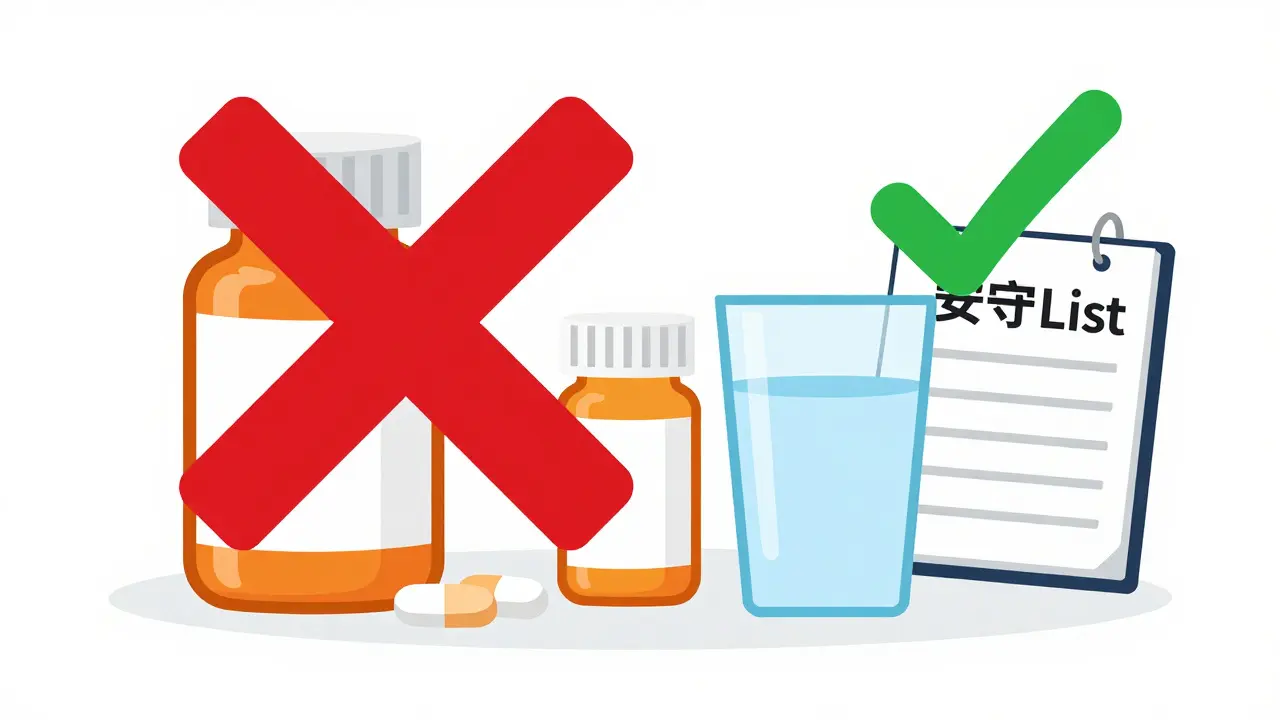
Beyond contrast dyes, there are several common medications that act as "kidney poisons" in the context of AKI on CKD. The most frequent culprits are NSAIDs (Nonsteroidal Anti-inflammatory Drugs) like ibuprofen or naproxen. These drugs constrict the blood flow entering the kidney, which can cause a rapid decline in function. In some patient groups, using NSAIDs while having CKD increases the risk of AKI by 2.5 times.
Then there are the high-power antibiotics. Aminoglycosides and Vancomycin are life-saving but can be brutal on the kidneys. Vancomycin, for instance, shows higher toxicity when "trough levels" (the lowest concentration of the drug in the blood before the next dose) climb above 15 mcg/mL. If a patient is already in an AKI state, these drugs must be dosed with extreme precision, based on current kidney function rather than their old baseline.
We also have to watch the "protective" drugs. ACE Inhibitors (ACEIs) and Angiotensin Receptor Blockers (ARBs) are usually great for CKD patients because they lower blood pressure and protect the kidneys over the long term. However, during an acute crash (AKI), they can actually hinder the kidney's ability to regulate its own internal pressure. While stopping them abruptly can sometimes cause a spike in creatinine, keeping them on during a severe AKI episode can prevent the kidneys from recovering.
Practical Steps to Prevent Further Damage
Preventing the progression of AKI on CKD is largely about what you stop doing. Experts suggest that simply discontinuing nephrotoxic agents can prevent 30-50% of these cases from becoming permanent failures. Here is a practical checklist for managing these risks:
- Audit the Med List: Immediately stop NSAIDs and check if ACEIs/ARBs need a temporary "drug holiday."
- Hydrate Right: Stick to isotonic saline. Avoid hyperoncotic solutions like dextrans or hydroxyethyl starch, as they can actually make the injury worse.
- Avoid "Quick Fixes": Don't use dopamine or diuretics to "force" the kidneys to work unless the patient is severely fluid-overloaded. They don't improve the actual outcome of the injury.
- Frequency of Checks: In a stable CKD patient, you might check creatinine every few months. In an AKI on CKD scenario, you need to check it every 24 to 48 hours.
- Consult the Pros: Get a nephrologist involved early. Data shows that early consultation leads to 20% lower mortality rates.
The Road to Recovery: AKI, AKD, and CKD
Not every AKI episode ends in total recovery or total failure. There is a middle ground called Acute Kidney Disease (AKD). If the kidney impairment lasts longer than 7 days but less than 3 months, it is classified as AKD. This is a critical window. If the function doesn't return to baseline after 3 months, the patient has officially progressed to a more advanced stage of CKD.
The stakes are high: about 30% of AKI episodes in CKD patients lead to a permanent loss of function, and some eventually progress to end-stage renal disease requiring dialysis. This makes patient education the most powerful tool. When patients understand why they must avoid a specific over-the-counter painkiller or why they need to drink plenty of water before a scan, hospitalization rates drop by up to 25%.
Can I take ibuprofen if I have CKD?
It is generally strongly advised to avoid NSAIDs like ibuprofen if you have CKD. These drugs reduce blood flow to the kidneys and can trigger Acute Kidney Injury (AKI), significantly increasing the risk of permanent kidney damage.
Is it safe to have a CT scan with contrast if my kidneys are weak?
It depends on your eGFR. If your kidney function is severely low, your doctor may suggest alternative imaging (like an ultrasound) or a strict hydration protocol using saline before and after the scan to protect your kidneys from the contrast dye.
Why do doctors stop my blood pressure medication during a kidney crisis?
Drugs like ACE inhibitors and ARBs help the kidneys in the long run, but during an acute injury, they can interfere with the kidney's ability to maintain necessary internal pressure, potentially slowing down the recovery process.
What is the difference between AKI and AKD?
AKI (Acute Kidney Injury) is a sudden drop in function usually occurring within 48 hours. AKD (Acute Kidney Disease) is when that impairment lasts for more than 7 days but is still within a 3-month window of the initial injury.
Does drinking water help prevent contrast-induced kidney injury?
Yes. Proper hydration-specifically using isotonic saline in a hospital setting-helps flush the contrast medium through the kidneys more quickly, which reduces the risk of the dye causing tissue damage.
Next Steps for Patients and Caregivers
If you or a loved one are managing CKD, the best move is to create a "Kidney Safe" list with your pharmacist. This list should clearly outline which over-the-counter medications are forbidden and which are safe. Always inform any doctor performing a procedure about your baseline eGFR before they schedule a contrast study. If you notice a sudden decrease in urination or an increase in swelling (edema), contact your renal team immediately; catching AKI in the first 48 hours is the best way to prevent permanent damage.