
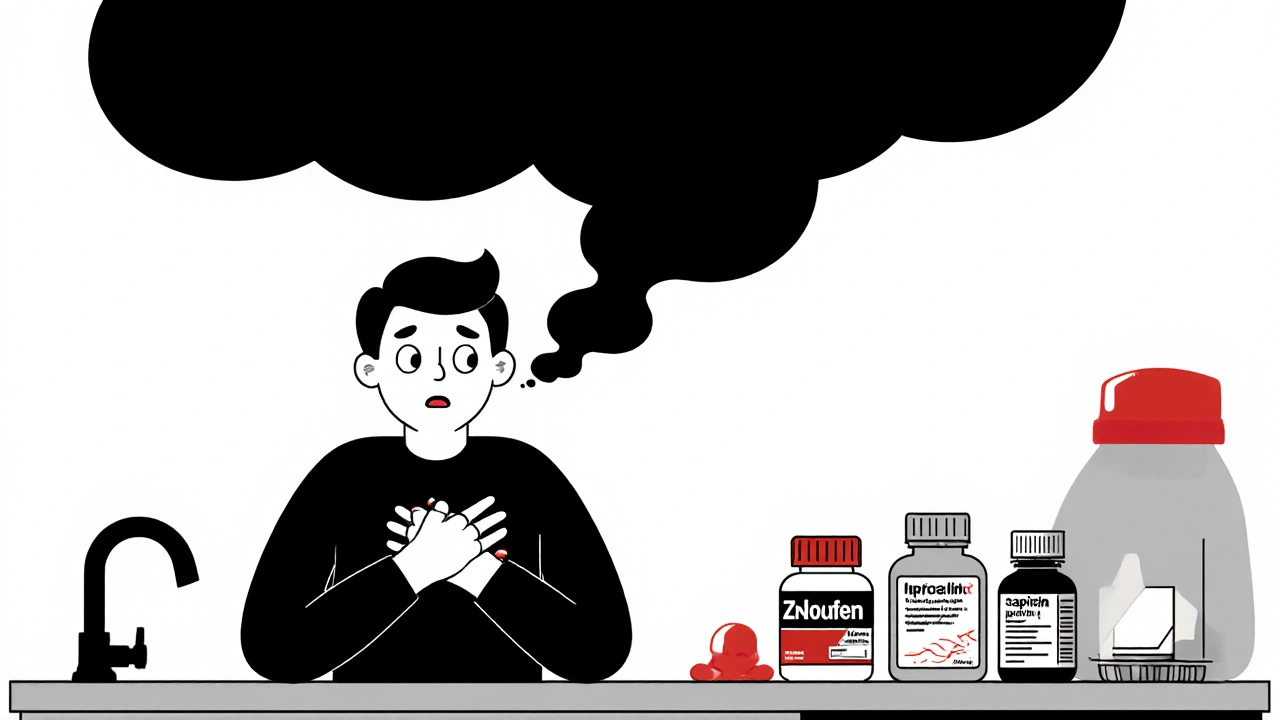
If you have asthma and reach for an over-the-counter pain reliever like ibuprofen or naproxen, you could be setting off a chain reaction that lands you in the emergency room. It’s not a coincidence. For about 1 in 14 people with asthma, certain painkillers don’t just fail to help-they make breathing harder, trigger nasal congestion, and can even cause a life-threatening asthma attack. This isn’t an allergy in the classic sense. It’s a condition called NSAID-Exacerbated Respiratory Disease (NERD), sometimes known as Aspirin-Exacerbated Respiratory Disease (AERD). And most people don’t know they have it until it’s too late.
What Happens When NSAIDs Trigger Asthma
NSAIDs-like aspirin, ibuprofen, and naproxen-work by blocking an enzyme called COX-1. That’s how they reduce pain and inflammation. But in people with NERD, that same blockage causes a dangerous imbalance. Instead of making protective anti-inflammatory chemicals, the body shifts into overdrive producing leukotrienes, powerful substances that tighten airways, swell nasal passages, and flood the lungs with mucus. Within 30 minutes to three hours after taking a pill, symptoms can explode: wheezing, chest tightness, runny nose, and sudden shortness of breath. In severe cases, the airway can close completely.
This isn’t rare. About 7% of adults with asthma have NERD. But the number jumps to nearly half among those who also have chronic sinus infections and nasal polyps. Many people don’t connect the dots. They think their worsening asthma is just getting worse over time, or blame pollen or cold air. But if your symptoms flare up every time you take Advil for a headache or Aleve for back pain, that’s a red flag.
Who’s Most at Risk
NERD doesn’t show up randomly. It tends to appear in a very specific profile. Most patients are women between the ages of 30 and 40. Many are overweight. Nearly all have long-standing nasal congestion or polyps-often for years before asthma symptoms even show up. It’s common for someone to have trouble breathing through their nose for five years, then start wheezing at age 35. By then, the connection to NSAIDs is already buried under layers of misdiagnosis.
Smokers and people with a family history of asthma or allergies are also at higher risk. Children can develop reactions too, especially with short-term use of ibuprofen or aspirin. Studies tracking over a million children in Taiwan found a 41% higher chance of asthma flare-ups after taking these drugs. But long-term use didn’t carry the same risk-suggesting it’s not about how often you take them, but whether your body reacts to them at all.
The Hidden NSAIDs in Everyday Medicines
One of the biggest dangers isn’t the obvious painkillers. It’s the ones hiding in plain sight. Cold and flu remedies, sinus tablets, menstrual relief packs, and even some topical creams contain NSAIDs. A patient might take a “non-drowsy” cold pill for a stuffy nose, then wake up gasping for air hours later. They didn’t take ibuprofen-they took something labeled “for sinus pressure.”
Here’s what to look for on labels:
- ibuprofen
- naproxen
- ketoprofen
- diclofenac
- indomethacin
- aspirin (acetylsalicylic acid)
- celecoxib (Celebrex)-this one’s different, see below
Even generic versions of these drugs carry the same risk. And if you’re on a prescription for arthritis or chronic pain, your doctor might not realize your asthma could be reacting. That’s why it’s critical to tell every provider you see-dentists, pharmacists, ER staff-that you’re sensitive to NSAIDs.
What You Can Take Instead
You don’t have to suffer in pain. There are safe alternatives.
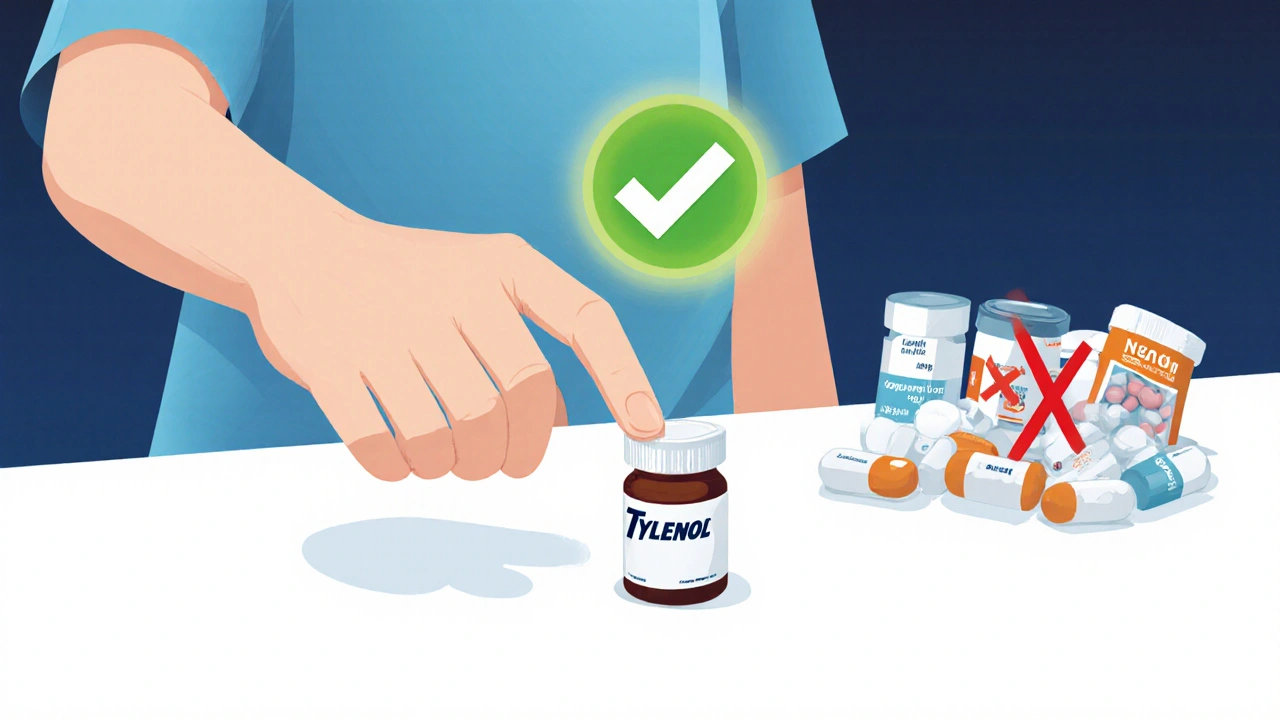
Acetaminophen (Tylenol) is the go-to for most NERD patients. At doses under 1,000 mg, it’s generally well-tolerated. But don’t assume it’s risk-free-5 to 10% of people still react to higher doses. Stick to the lowest effective amount.
Celecoxib (Celebrex) is a COX-2 selective inhibitor. Unlike traditional NSAIDs, it doesn’t block COX-1, so it doesn’t trigger the same biochemical cascade. Clinical studies show it’s safe for most NERD patients. But it’s a prescription drug, not an OTC option, and it’s not for everyone-especially those with heart disease.
Other options include non-pharmacological approaches: heat packs for muscle pain, physical therapy for joint issues, or even acupuncture. For headaches, magnesium supplements or riboflavin (vitamin B2) have shown promise in studies. Always talk to your doctor before starting anything new.
Aspirin Desensitization: A Game Changer
For some patients, there’s a path forward that doesn’t involve lifelong avoidance. Aspirin desensitization is a medically supervised process where you’re given tiny, gradually increasing doses of aspirin under close monitoring. Over days or weeks, your body learns to tolerate it. Once desensitized, many patients see big improvements: fewer asthma attacks, less nasal congestion, and even shrinkage of nasal polyps.
This isn’t for everyone. It requires a specialist, a controlled setting, and commitment to daily aspirin afterward. But for those who qualify, it can be life-changing. If you’ve been struggling with uncontrolled asthma and nasal polyps, ask your allergist if desensitization is an option.
What to Do If You Suspect You Have NERD
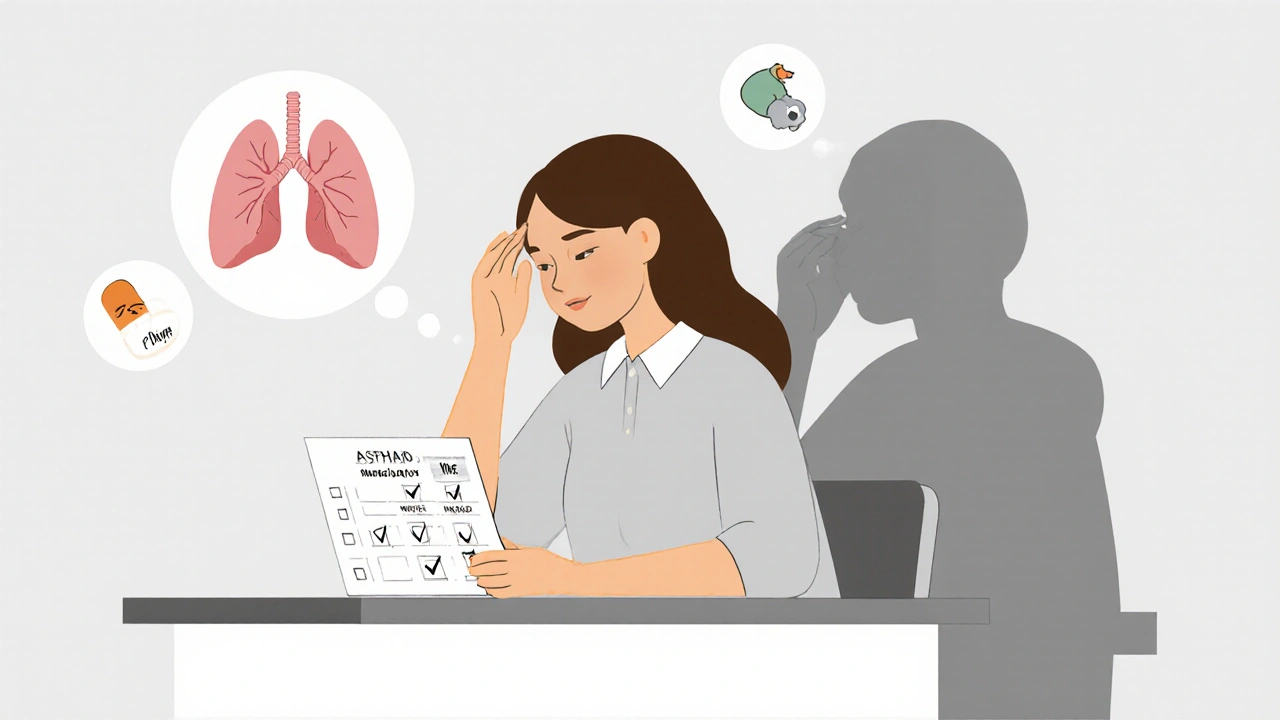
Start by tracking your symptoms. Keep a simple log: what you took, when you took it, and what happened within the next 3 hours. Did your breathing get worse? Did your nose get stuffed up? Did you feel tightness in your chest? Bring this to your doctor.
Your doctor may refer you to an allergist for a supervised challenge test. This isn’t dangerous if done right. In a controlled clinic, you’ll be given a small dose of aspirin while being monitored with lung function tests. If your airways react, the diagnosis is confirmed. If not, you’re likely safe to use NSAIDs.
Don’t wait for an emergency. If you’ve had more than one unexplained asthma flare-up after taking pain meds, assume you’re sensitive until proven otherwise. Keep your rescue inhaler with you at all times. Make sure your family and coworkers know your condition. Wear a medical alert bracelet if possible.
Why This Matters More Than You Think
NERD is underdiagnosed because it doesn’t show up on standard allergy tests. Skin prick tests and blood IgE levels won’t catch it. It’s not IgE-mediated like peanut or pollen allergies. It’s a metabolic disorder-a flaw in how your body processes painkillers. That’s why so many patients go years without answers.
But once diagnosed, it’s manageable. The key is awareness. Avoiding NSAIDs isn’t about being overly cautious-it’s about survival. And knowing your alternatives isn’t just about comfort; it’s about staying active, sleeping through the night, and not ending up in the ER every time you get a headache.
For people with chronic sinusitis and asthma, this condition can be the missing link. Treating the polyps alone won’t help if every time you take a painkiller, your lungs tighten up again. NERD ties the upper and lower airways together. You can’t fix one without addressing the other.
Can I take Tylenol if I have NSAID-sensitive asthma?
Yes, acetaminophen (Tylenol) is generally safe for most people with NSAID-sensitive asthma, especially at doses under 1,000 mg. However, about 5-10% of patients still react to higher doses, so stick to the lowest amount needed for relief. Never exceed 3,000 mg per day, and avoid combination products that include acetaminophen along with other hidden NSAIDs.
Is Celebrex safe for people with NERD?
Yes, celecoxib (Celebrex) is considered safe for most patients with NERD because it selectively blocks COX-2 instead of COX-1, avoiding the inflammatory cascade that triggers asthma symptoms. However, it’s a prescription drug and may not be suitable for those with heart disease or high blood pressure. Always consult your doctor before starting it.
Do all NSAIDs trigger reactions in NERD patients?
Yes. If you’re sensitive to one NSAID like aspirin or ibuprofen, you’ll likely react to all of them. This includes naproxen, diclofenac, ketoprofen, and others. The reaction isn’t to one specific drug-it’s to the class. Even topical NSAIDs (gels or patches) can cause systemic reactions in highly sensitive individuals.
Can children develop NSAID-sensitive asthma?
Yes, though it’s less common than in adults. Studies show short-term use of ibuprofen or aspirin in children with asthma increases the risk of flare-ups by nearly 50%. The reaction is more likely in children with a history of allergies, eczema, or chronic respiratory infections. Always check with a pediatrician before giving any NSAID to a child with asthma.
How do I know if I have NERD and not just a bad allergy?
Standard allergy tests won’t detect NERD because it’s not an IgE-mediated reaction. Instead, look for patterns: do your asthma and nasal symptoms flare up consistently after taking NSAIDs? Do you have nasal polyps or chronic sinus infections? A specialist can confirm NERD through a controlled aspirin challenge test, which monitors your lung function after a small, safe dose of aspirin. If your breathing drops significantly, it’s NERD.
Is aspirin desensitization worth it?
For many patients with severe asthma and nasal polyps, yes. Desensitization can reduce asthma attacks by up to 70%, shrink nasal polyps, and decrease the need for steroids or surgery. But it requires daily aspirin afterward and regular follow-ups. It’s not for everyone-only those under the care of a specialist in a controlled setting. If your symptoms are poorly controlled despite medication, it’s worth discussing.
Final Thoughts
NERD isn’t something you can ignore. It’s not a minor inconvenience-it’s a serious, under-recognized condition that can turn a simple headache into a medical emergency. The good news? Once you know you have it, you can take control. Avoid the triggers. Know your safe alternatives. Talk to your doctor about desensitization if you qualify. And never assume a painkiller is harmless just because it’s sold over the counter.
Your asthma doesn’t have to be controlled by what’s in your medicine cabinet. With the right knowledge, you can manage pain without putting your breathing at risk.
Matthew Stanford
November 29, 2025 AT 17:01Been dealing with this for years. Took ibuprofen for a migraine once, ended up in the ER. No one ever told me it could do that. Now I keep Tylenol in every bag I own. 🙌
Olivia Currie
November 30, 2025 AT 01:58OH MY GOD. I thought I was just allergic to everything. I’ve had nasal polyps since 2018 and asthma since college. Every time I took Aleve, I felt like my throat was closing. I cried in the pharmacy aisle last year because I didn’t know why I kept collapsing after painkillers. THIS ARTICLE SAVED ME. THANK YOU.
Curtis Ryan
December 1, 2025 AT 20:58So celebrex is safe? I just took a bunch of advil for my back and im fine but now im paranoid lmao. Also tylenol is fine right? I think i might have nerds. My nose has been stuffed for 7 years. 🤔
Rajiv Vyas
December 3, 2025 AT 10:50They don’t want you to know this because pharma makes billions off NSAIDs. The real cause? Glyphosate in your food messes with your COX enzymes. The government and big pharma are covering it up. Tylenol? Also toxic. Just drink ginger tea and pray. 🌿
farhiya jama
December 3, 2025 AT 18:43I’m too tired to read this whole thing. Can someone just tell me if I can take a pill or not? 😴
Astro Service
December 5, 2025 AT 02:39Why are we letting foreign drug companies dictate how Americans treat pain? This is why we need to ban ibuprofen imports. We’ve got our own painkillers. Just take aspirin like a real American.
DENIS GOLD
December 6, 2025 AT 20:59So you’re telling me I can’t take ibuprofen for my hangover? What is this, communist healthcare? 😏
Ifeoma Ezeokoli
December 7, 2025 AT 18:14I’m from Nigeria and we don’t even have access to most of these meds. But I’ve seen this in my clinic - women with polyps and asthma, taking whatever’s cheap. No one tells them. This is global. We need community education, not just blog posts. 💛
Daniel Rod
December 9, 2025 AT 08:00It’s wild how our bodies react to things we think are harmless. I used to think pain was just something to push through. Now I see it as a signal. NERD isn’t a flaw - it’s your body trying to tell you something deeper. 🤲 Maybe it’s not about avoiding drugs, but listening to your biology. Also, 🌱 if you’re reading this and you’re scared - you’re not alone.
gina rodriguez
December 10, 2025 AT 19:17Thank you for writing this. I’ve been avoiding painkillers for years and felt so guilty about it. Now I know it’s not me being dramatic - it’s science. I’m going to print this out and give it to my doctor. 💕
Sue Barnes
December 11, 2025 AT 01:49If you can’t handle a simple painkiller, maybe you shouldn’t have asthma in the first place. Just suck it up. This is why people think you’re weak.