St. John's Wort Interaction Checker
Disclaimer: This tool is for educational purposes only. Always consult a licensed healthcare provider or pharmacist before starting or stopping any supplement or medication.
Select Medication Class:
Please select a medication category to see how St. John's Wort affects it.
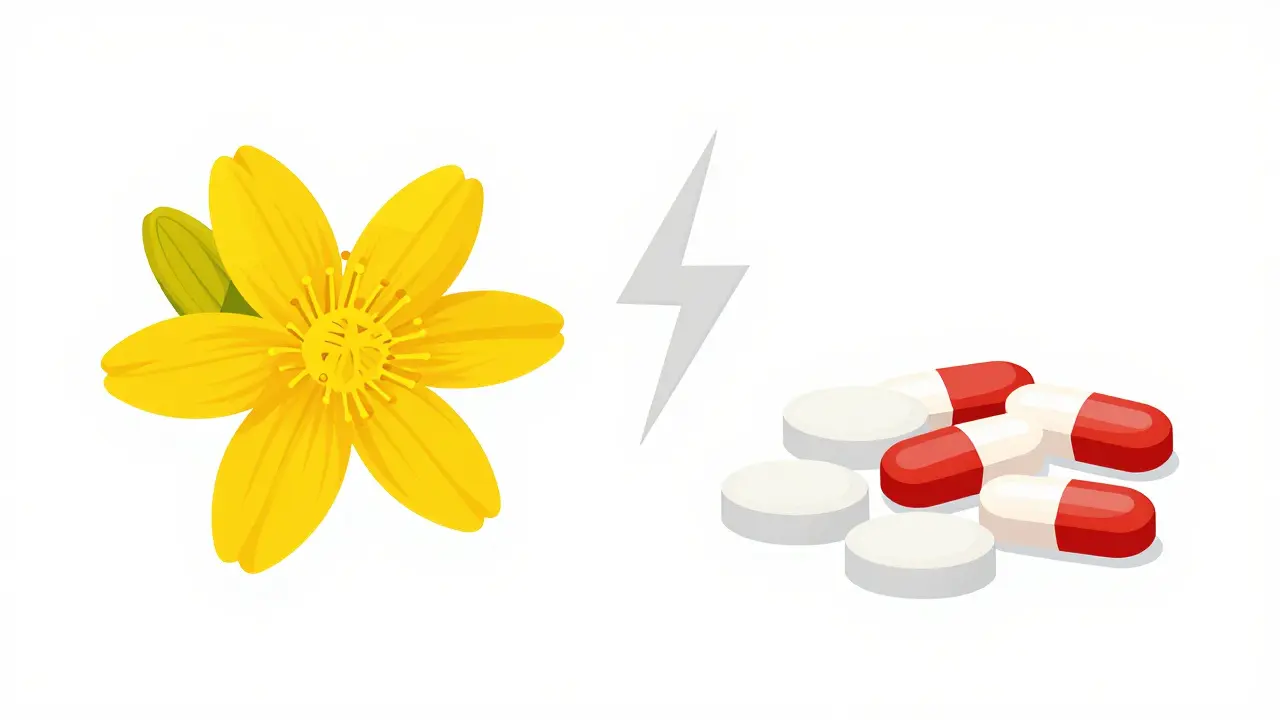
You might think that because a product is "natural" or sold over the counter, it's automatically safe. However, St. John's Wort is a flowering plant used as a herbal supplement primarily for treating mild to moderate depression. While it's a popular choice for those avoiding synthetic antidepressants, it acts like a chemical wrecking ball when mixed with certain prescription drugs. It doesn't just "clash" with other meds; it can actually change how your liver processes them, either making your life-saving medication useless or dangerously potent.
How St. John's Wort Changes Your Body's Chemistry
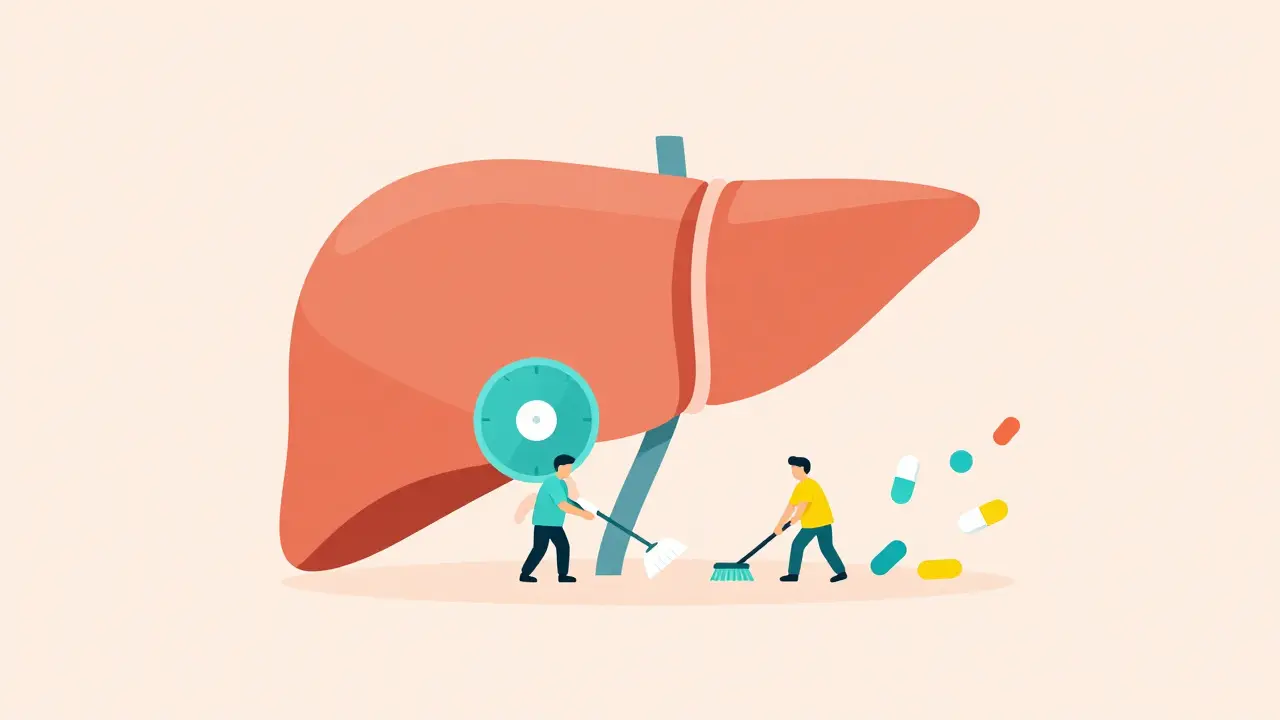
To understand why this plant is so risky, you have to look at how your body handles medicine. Most drugs are broken down by enzymes in the liver. St. John's Wort is a powerful "inducer" of these enzymes. Specifically, it ramps up Cytochrome P450, especially the CYP3A4, CYP2C9, and CYP1A2 isoenzymes. Think of these enzymes as a cleaning crew for your bloodstream. When St. John's Wort is in your system, it tells the cleaning crew to work overtime. As a result, your body clears out prescription medications much faster than intended. If the drug is gone before it can do its job, you're essentially taking an under-dose, even if you follow the pharmacy's instructions perfectly.
Beyond the liver, it also affects P-glycoprotein, a transport protein that pumps drugs out of cells. By increasing this protein's activity, the supplement can prevent certain medications from ever reaching their target destination in the body. This is a pharmacokinetic interaction-it's all about how the drug moves and is processed.
The Danger of Serotonin Syndrome
While liver enzymes are one problem, the brain presents another. St. John's Wort influences neurotransmitters, specifically serotonin. When you combine it with Selective Serotonin Reuptake Inhibitors (known as SSRIs), you risk a life-threatening condition called Serotonin Syndrome. This happens because your brain ends up with too much serotonin, leading to confusion, rapid heart rate, muscle rigidity, and in severe cases, seizures.
It's not just SSRIs you have to worry about. If you use triptans for migraines, the risk of adverse reactions increases. This is a pharmacodynamic interaction, meaning the supplement and the drug are fighting for control over the same biological pathway.
Critical Medications That Interact with St. John's Wort
Because CYP3A4 processes roughly 50% of all marketed medications, the list of interactions is staggering. Here are the most critical areas where you need to be cautious:
- Birth Control: It can cause oral contraceptives to break down faster in the liver. This leads to breakthrough bleeding and, more seriously, unplanned pregnancies.
- Blood Thinners: Medications like Warfarin can become less effective, which significantly increases your risk of developing dangerous blood clots.
- Anti-Seizure Drugs: For people taking Phenytoin or Carbamazepine, the supplement can lower drug levels in the blood, leading to breakthrough seizures.
- Organ Transplant Meds: Immunosuppressants like Cyclosporin or Tacrolimus can fail, potentially leading to organ rejection.
- HIV Treatments: Certain protease inhibitors and non-nucleoside reverse transcriptase inhibitors are cleared too quickly, reducing the treatment's efficacy.
| Medication Class | Example Drug | Effect of St. John's Wort | Risk Outcome |
|---|---|---|---|
| Anticoagulants | Warfarin | Decreased plasma levels | Blood clots / Stroke |
| Contraceptives | Combined Oral Pill | Faster metabolism | Unplanned pregnancy |
| Anticonvulsants | Phenytoin | Lowered drug concentration | Breakthrough seizures |
| Antidepressants | Fluoxetine (SSRI) | Additive serotonin effect | Serotonin Syndrome |
| Immunosuppressants | Cyclosporin | Rapid clearance | Organ transplant rejection |

The "Crash" After Stopping the Supplement
Many people assume the danger ends the moment they stop taking St. John's Wort. Actually, the opposite is true. If you've been taking the supplement for a while, your liver is essentially "supercharged" to clear out drugs. When you stop the supplement, that induction effect wears off gradually.
If you continue taking your prescription meds at the same dose while the "cleaning crew" slows back down to normal levels, the medication can suddenly build up in your system. This can lead to toxicity. For example, patients stopping the herb while on cyclosporin have seen a dangerous spike in drug concentrations. Always tell your doctor if you plan to stop a supplement so they can monitor your blood levels and adjust your dosages.
Practical Tips for Patients and Caregivers
Since this supplement is available without a prescription, many patients forget to mention it during doctor visits. However, a simple omission can have dire consequences. Here is how to manage your safety:
- Keep a Complete List: Write down every supplement, tea, and vitamin you take. Don't assume your doctor knows what's in your herbal tea.
- Question Your Pharmacy: When picking up a new prescription, ask the pharmacist: "Does this interact with St. John's Wort?"
- Watch for Photosensitivity: One of the most common side effects of the herb is increased sensitivity to sunlight. If you notice you're burning easier or getting rashes, your dose might be too high.
- Avoid Self-Treating Bipolar Disorder: If you have bipolar disorder, be extremely careful. There are reports of St. John's Wort triggering manic episodes.
If you are looking for a natural way to manage mood, talk to a professional about alternatives that don't interfere with the CYP3A4 pathway. The risk of your heart medication or birth control failing is far too high to gamble with an unmonitored supplement.
Can I take St. John's Wort with my birth control pill?
It is generally not recommended. St. John's Wort accelerates the breakdown of oral contraceptives in the liver, which can lower the hormone levels in your blood and lead to breakthrough bleeding or unplanned pregnancy. If you use an IUD or a vaginal ring, the data is more limited, but you should still consult a doctor.
What are the symptoms of Serotonin Syndrome?
Serotonin syndrome is a medical emergency. Symptoms include agitation, confusion, rapid heart rate, dilated pupils, muscle rigidity, heavy sweating, and high blood pressure. If you are combining an SSRI with St. John's Wort and experience these, seek immediate medical help.
Does St. John's Wort interact with allergy medication?
Yes, it can. For instance, it may interact with fexofenadine (Allegra), potentially causing the medicine to build up in your body and worsening the typical side effects of the allergy medication.
Is St. John's Wort safe for people with bipolar disorder?
Use it with extreme caution. There are documented case reports where St. John's Wort triggered manic episodes in patients with bipolar disorder. It is safer to use medications specifically approved for mood stabilization under medical supervision.
How does the supplement affect blood thinners like Warfarin?
St. John's Wort induces the enzymes that break down Warfarin. This means the drug is removed from your system faster, reducing its anticoagulant effect. This can lead to an increased risk of dangerous blood clots or strokes because your blood is no longer "thin" enough.