

Imagine trying to manage diabetes or hypertension while taking three different generic prescriptions daily. It sounds manageable until you realize that nearly half of all patients stop taking their heart disease meds within a year because they simply forget or get overwhelmed. This disconnect costs the U.S. healthcare system roughly $300 billion annually. For years, brand-name drugs had expensive manufacturer support programs to keep patients on track, but Generic Medications, which make up 90% of all prescriptions, historically lacked that safety net. That changed with the rise of digital health, creating a new wave of technology dedicated specifically to watching over generic regimens.
These aren't just fancy reminder alarms on your phone. Modern adherence tools act as verifiable record keepers, capturing exactly when a dose was taken and sending that data to a cloud platform where proprietary algorithms can spot trouble before it becomes an emergency. While the concept sounds high-tech, the goal is straightforward: turn invisible compliance problems into visible, actionable data.
How Digital Tracking Works for Generics
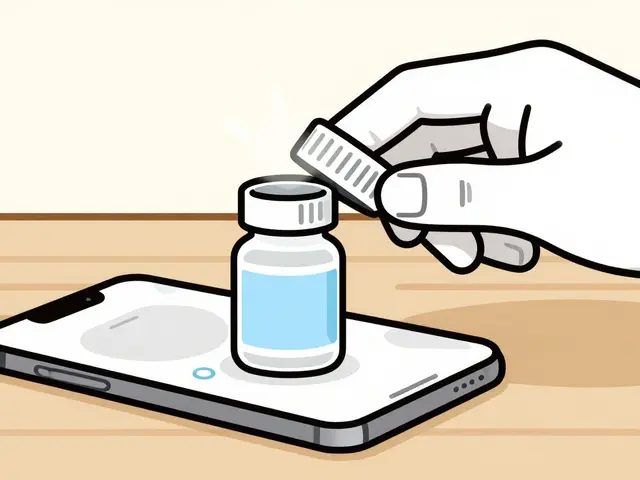
Unlike basic pill organizers that sit on a counter, digital adherence systems rely on connectivity to function. Most require a smartphone running iOS 12 or later, though some operate via cellular networks independently. The ecosystem connects three main players: the patient device, the cloud analytics engine, and the healthcare provider's dashboard. When a patient opens a smart bottle, the device logs a timestamp. That log travels instantly to the cloud, where it is cross-referenced with prescription refill dates and EHR records to calculate compliance percentages.
The technology behind this varies significantly. Some systems use physical mechanisms to control release. Others use sensors embedded in the pills themselves. The choice matters because Digital Adherence Tracking isn't one-size-fits-all. For instance, a patient managing mild hypertension might need a simple reminder, whereas someone on complex polypharmacy requires precision monitoring that captures missed doses down to the minute.
| Type | Key Mechanism | Accuracy Rating |
|---|---|---|
| Smart Caps | Sensors in bottle lid | 100% |
| Ingestible Sensors | Chip inside the pill | 98-99% |
| Electronic Blister Packs | Circuit completes on tear | 95-97% |
| Video Monitoring | Cameras observe intake | 92-95% |
Leading Tools and Their Trade-offs
When evaluating the landscape, two platforms stand out for their maturity and market presence. The MEMS AS software suite, developed by the AARDEX Groupa leading developer of clinical trial software solutions, functions primarily as a cloud-based analyzer. It ingests data from digitally enabled packaging and runs it through seventy proprietary algorithms. In clinical trials, this achieves near-perfect accuracy, making it the gold standard for pharmaceutical companies testing new therapies. However, general users often find its interface less engaging than it is functional.
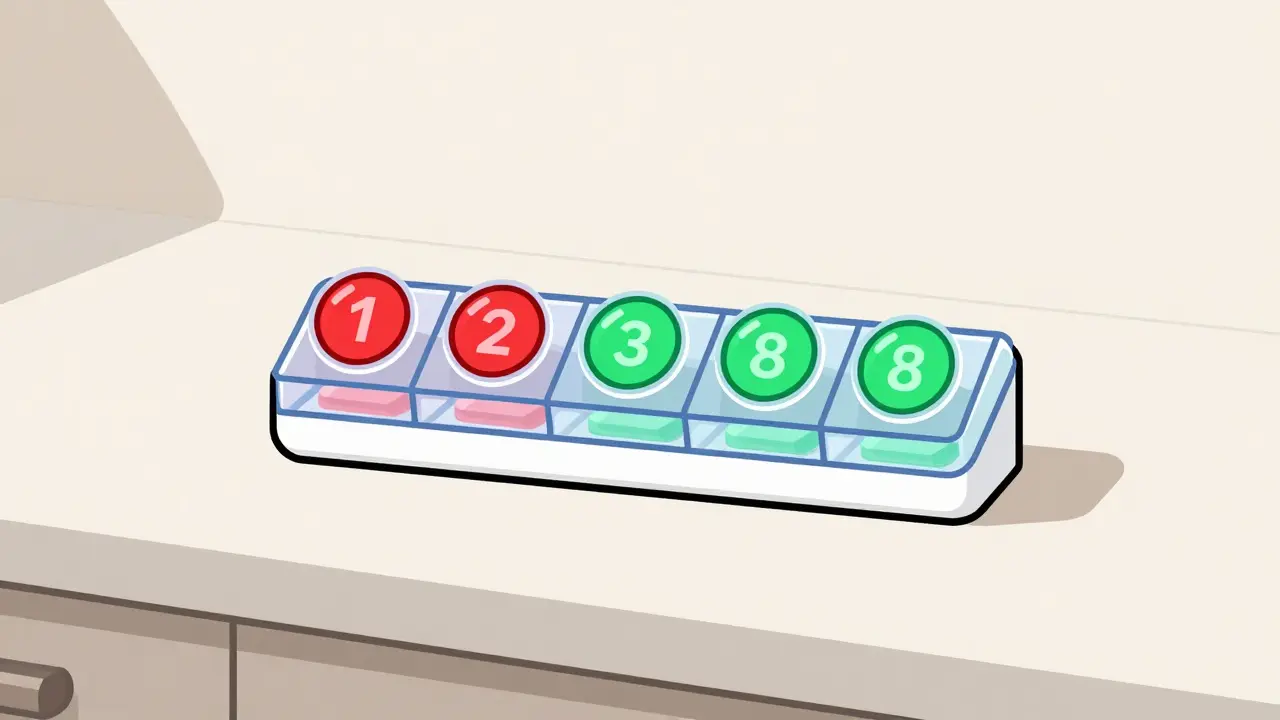
On the consumer side, the Tenovi Pillbox has gained traction. It looks like a traditional weekly organizer but comes with a cellular-connected hub and bright LED lights. Red signals a pending dose, green confirms completion. Studies suggest this visual cue improves adherence significantly for chronic conditions like heart failure. The hardware is robust, but there is a catch regarding power consumption. Users have reported the cellular gateway needing a charge every few days, which adds friction to daily routines. Despite this, visual reminders remain a powerful psychological nudge compared to silent apps.
Another emerging method involves video verification, known as Video Directly Observed Therapy (VDOT). During the pandemic, this approach proved vital for respiratory medications, showing a 15% adherence bump in months following the outbreak onset. Yet, the requirement to film oneself taking medicine creates a privacy barrier. In long-term studies, dropout rates for video-based systems hovered around 30%, mostly because patients felt watched rather than supported.

Real-World User Challenges
Tech specs look great on paper, but adoption stories reveal the friction. Pharmacists who integrated dashboards like McKesson APS noted that while aggregate adherence rates jumped from 62% to 78% over a year-and-a-half, the human cost was higher. They needed to hire dedicated technicians just to manage the incoming alerts. Technology shifts the burden; instead of the patient struggling alone, the pharmacy now manages the influx of data.
Patient feedback highlights similar issues. On retail platforms, reviewers praised reliability for complex regimens but complained about bulkiness. One detailed review mentioned that carrying multiple electronic devices alongside a standard bag became tedious. There is also the issue of "alert fatigue." If a patient receives constant notifications about past-due doses, they may eventually mute them entirely. Successful implementations balance high-touch support with low-friction hardware.
Privacy remains a lingering concern for many. Surveys indicate that a significant portion of users worry about where their adherence data goes. With Medicare Advantage plans now tying payments to these metrics, the stakes are high. You aren't just logging a pill; you are influencing insurance reimbursements.
Integration with Healthcare Systems
Tools that work in isolation rarely stick. To be truly effective, adherence data must flow into Electronic Health Records (EHR) without extra steps. Major platforms are now building FHIR APIs to bridge Tenovi or MEMS AS data directly into Epic or Cerner workflows. This allows a doctor to see a trend line during a visit: adherence dropped last week, perhaps correlating with a new symptom.
The financial incentive is driving this integration. Centers for Medicare & Medicaid Services (CMS) are incorporating medication adherence into Star Ratings. A single point increase can correlate with millions in revenue for large health plans. Consequently, payers are pushing providers to adopt Remote Therapeutic Monitoring (RTM) codes. Currently, only about 38% of Medicare Advantage plans cover these services, but coverage is widening. For independent pharmacies, the barrier remains cost-enterprise systems can run thousands of dollars per month.
Future Outlook and Predictions
We are moving toward a consolidated market. Experts predict that within the next few years, only a handful of major platforms will dominate, fully absorbed into Pharmacy Benefit Manager (PBM) infrastructure. Artificial Intelligence is the next frontier. Pilot programs at major retailers already show machine learning models predicting non-adherence risk 22% better than traditional statistical methods. These models analyze patterns-like refilling too early or consistently late-to flag patients before they miss a dose.
For now, the technology offers a clear path forward. It transforms vague assumptions about patient behavior into hard evidence. Whether you are a pharmacist auditing inventory or a patient fighting chronic illness, understanding these tools is becoming essential.
Do these devices work with all generic medications?
Most smart packaging systems can hold standard pill sizes, but ingestible sensors require specific FDA-approved tablets. Physical devices like pillboxes generally work with any solid oral dosage form regardless of manufacturer.
Who pays for the smart adherence tools?
Cost varies widely. Clinical grade tools are usually paid by insurers or pharma sponsors. Consumer versions like the Tenovi system cost roughly $149 plus monthly fees, which is sometimes covered under Remote Therapeutic Monitoring codes depending on the health plan.
Is my medical data safe with these apps?
Legitimate vendors use encryption standards compliant with HIPAA regulations. However, patients should always check the privacy policy regarding third-party data sharing, especially if the app is connected to insurance billing systems.
Can pharmacists access this data remotely?
Yes, provided the system integrates with the pharmacy management software. Many platforms offer dashboard access so technicians can trigger intervention calls when a dosing error is detected.
How accurate is video monitoring compared to smart bottles?
Video monitoring shows approximately 92-95% accuracy, slightly lower than smart caps which claim 100%. The lower rate stems from potential camera angles missing the actual ingestion event.

Vikash Ranjan
March 30, 2026 AT 04:41these smart pill trackers seem like overkill to me honestly why not just use your phone alarm instead of spending hundreds on specialized hardware that might break or run out of battery
RONALD FOWLER
March 31, 2026 AT 04:15i appreciate what they are trying to do here but i worry about the privacy implications when insurance companies can see exactly when you take your medication feels invasive
Carolyn Kask
March 31, 2026 AT 10:49@vikaish you dont get it these devices actually save lives by catching missed doses before complications arise unlike a basic reminder which gets snoozed constantly
Brian Yap
April 2, 2026 AT 06:20had my elderly mother try the tenovi system last year and she absolutely hated it kept charging every two days which made her forgetful about charging too defeats the purpose
Michael Kinkoph
April 4, 2026 AT 03:08brian makes an excellent point about battery life being a critical failure point for these systems the industry needs to focus more on reliability than adding unnecessary features
Angel Ahumada
April 5, 2026 AT 16:33the philosophy behind constant monitoring seems fundamentally flawed we become dependent on technology rather than building internal discipline habits should come from within not external surveillance mechanisms watching our every move like digital panopticons of healthcare compliance
its interesting how medical institutions prioritize data collection over patient autonomy creating a surveillance state within healthcare itself where patients lose agency through algorithmic management of their own bodies
dPhanen DhrubRaaj
April 7, 2026 AT 05:06maybe both points have merit balance matters most between safety monitoring and personal freedom in medical care
Dan Stoof
April 8, 2026 AT 16:54i love seeing tech solve real problems like forgetting medications especially for seniors who juggle multiple prescriptions daily the peace of mind alone worth the investment plus family can rest easy knowing loved ones stay on track with treatments that keep them healthy and living fuller lives
Calvin H
April 9, 2026 AT 08:28sure lets turn healthcare into big brother watching every swallow because apparently trust is dead now
Christopher Curcio
April 10, 2026 AT 03:06from clinical workflow perspective integration with EHR systems through FHIR APIs remains biggest bottleneck despite technical feasibility adoption varies wildly across healthcare organizations creating fragmented implementation across different hospital networks
Katie Riston
April 11, 2026 AT 18:16when we examine the deeper implications of mandatory adherence tracking we must consider how this technology shifts power dynamics within healthcare relationships transforming traditionally collaborative doctor-patient partnerships into asymmetrical surveillance arrangements where algorithms determine treatment success metrics rather than holistic wellbeing assessments based on individual patient experiences values and preferences that cannot be quantified through simple binary compliance data points collected through electronic monitoring systems
the fundamental question becomes whether increased adherence rates measured digitally truly correlate with improved health outcomes or merely create illusion of control while actual wellness indicators remain unchanged regardless of technological intervention capabilities
patients navigating chronic conditions already face substantial emotional burden added complexity of monitored compliance may increase psychological stress levels particularly among vulnerable populations who struggle with mental health challenges alongside physical conditions requiring ongoing medication management protocols