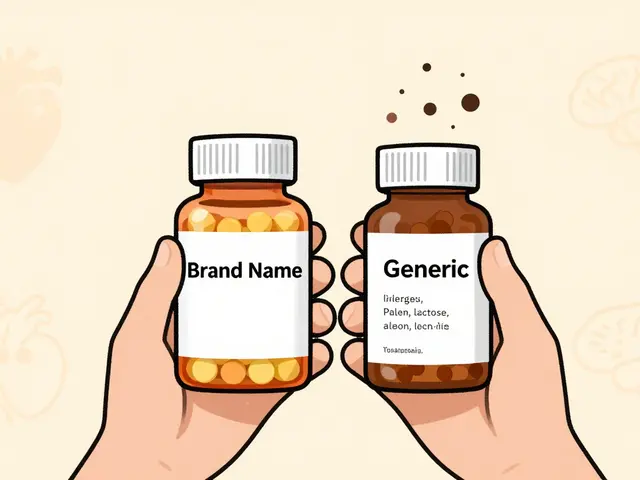
Swapping a brand-name drug for a generic equivalent might seem like a routine task, but from a legal and safety perspective, it's a high-stakes decision. If a patient has an adverse reaction or an insurance audit occurs, your documentation is the only thing standing between a standard practice and a costly legal mistake. The core problem isn't just knowing generic substitution documentation rules-it's managing the chaotic variation between state laws and federal guidelines while keeping the workflow efficient.
| Required Element | Why It Matters | Standard Source/Value |
|---|---|---|
| Prescribed Brand Name | Establishes the original intent of the prescriber. | Original Prescription |
| Generic Name Dispensed | Confirms the therapeutic equivalent used. | FDA Approved Generic |
| Manufacturer & Lot Number | Crucial for recalls and tracking adverse events. | Drug Packaging/NDC |
| Patient Consent | Legal requirement in 14+ US states. | Signed Form/EHR Note |
| Equivalence Check | Validates that the drug is safe to swap. | The Orange Book |
Understanding the Legal Foundation of Substitution
To document correctly, you first have to understand what you're actually doing when you substitute. Generic drug substitution is the act of dispensing a different brand or an unbranded drug product for the drug product prescribed. This isn't just a pharmacy preference; it's a systemic practice born from the Hatch-Waxman Act, which created the pathway for generics to enter the market via the Abbreviated New Drug Application (ANDA) process.
Here is the catch: the FDA is responsible for ensuring the drug is bioequivalent, but they don't regulate how the substitution happens at the pharmacy counter. That's left to the states. This means a pharmacist in California might have completely different recording requirements than one in Oklahoma. For instance, in Oklahoma, substituting without explicit authority from the prescriber or purchaser can be considered unlawful, making the documentation of consent a legal necessity rather than a suggestion.
The Gold Standard for Recording Decisions
If you want to bulletproof your records, you can't just check a "generic" box in your software. A comprehensive record should include specific data points that prove the decision was clinically sound. Most state boards of pharmacy expect to see a clear trail that connects the original prescription to the final product dispensed.
Every substitution entry should ideally contain these five components:
- The Original Order: Clearly list the brand-name drug and strength prescribed by the physician.
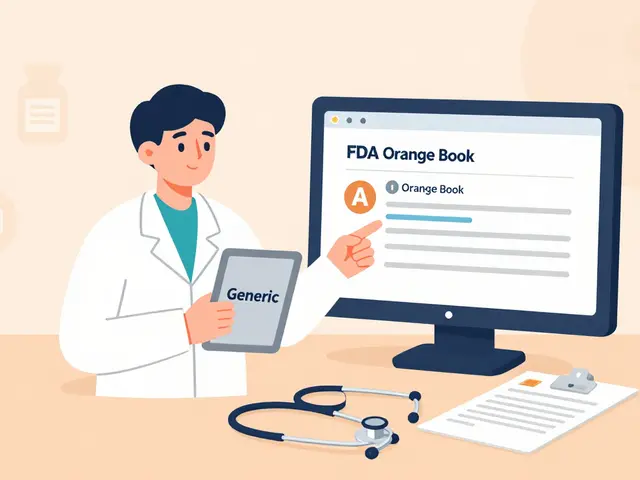
- The Substitution Logic: Reference the Orange Book (Approved Drug Products with Therapeutic Equivalence Evaluations) to show the drug is rated as therapeutically equivalent.
- Product Specifics: Record the manufacturer, lot number, and expiration date. While this adds about 30 seconds to the workflow, it's the only way to prevent insurance claim denials and manage recalls effectively.
- Consent Markers: If your state is among the 14 that require explicit patient consent, your documentation must show exactly when and how that consent was obtained.
- Time Stamp: Ensure the record is completed within 24 hours of dispensing, as this is the required timeframe in 41 states.
Handling High-Risk Substitutions: The NTI Challenge
Not all drugs are created equal. Narrow Therapeutic Index (NTI) drugs are those where a small difference in dose or bioavailability can lead to therapeutic failure or toxicity. Think of drugs like warfarin or digoxin. Because these are so sensitive, standard generic substitution documentation isn't enough.
In 17 states, there are specific, stricter protocols for NTI drugs. If you're substituting an NTI medication, your documentation should include a notification to the physician and a documented conversation with the patient about the potential for fluctuations. A real-world example of why this matters appeared in a 2021 report where inadequate documentation of a warfarin substitution led to a patient's hospitalization due to unmonitored INR fluctuations. The failure wasn't the substitution itself, but the lack of a documented plan to monitor the patient after the switch.
Navigating Software and System Limitations
Let's be honest: most Pharmacy Management Systems (PMS) are designed for speed, not for the granular requirements of 50 different state boards. Many pharmacists find that their Electronic Health Record (EHR) systems require custom configurations to meet legal standards. For example, about 32% of pharmacies using Epic systems have had to implement custom fields just to capture the manufacturer and lot data required by their specific state.
To avoid errors, don't rely solely on the "default" settings of your software. Create a internal checklist for your technicians to ensure that every required field-especially for NTI drugs-is filled before the medication leaves the pharmacy. Using standardized fields for documenting outcomes, as recommended by the World Medical Association, can also help in identifying patterns of therapeutic failure across different generic manufacturers.
The Cost of Poor Documentation
You might feel that recording a lot number is a waste of time, but the data suggests otherwise. A study in the Journal of Managed Care & Specialty Pharmacy showed that pharmacies using comprehensive documentation reduced medication errors by over 17% in just six months. When you document the specific manufacturer and lot, you're not just filling out a form; you're creating a safety net.
On the flip side, the financial impact of poor documentation is staggering. In states that require explicit patient consent, prescription costs have been found to be significantly higher-sometimes over $15 per prescription-because the lack of streamlined documentation creates a barrier to cheaper generic options. By mastering your documentation, you aren't just protecting your license; you're helping your patients save money.
Does the FDA regulate the substitution process in pharmacies?
No. The FDA regulates the approval and bioequivalence of the generic drugs themselves through the ANDA process, but the actual act of substituting a brand for a generic is governed by individual state laws and regulations.
What is the "Orange Book" and why is it used in documentation?
The Orange Book is the official FDA publication that lists approved drug products and their therapeutic equivalence evaluations. Pharmacists use it to verify that a generic drug is a safe and effective substitute for a brand-name drug before documenting the decision.
What specific data should be recorded for NTI drugs?
For Narrow Therapeutic Index (NTI) drugs, documentation should go beyond basic details to include physician notification, explicit patient consent, and a plan for monitoring the patient's response to the substituted medication.
How long do I have to complete the substitution documentation?
While it varies by jurisdiction, 41 states require that substitution documentation be completed within 24 hours of the medication being dispensed.
Why is the manufacturer's lot number important to document?
Recording the lot number is critical for managing drug recalls and investigating adverse drug reactions. It allows the pharmacy to quickly identify which patients received a specific batch of a medication if a quality issue is discovered.
Next Steps for Pharmacy Managers
If you're overseeing a pharmacy team, your first priority should be an audit of your current software fields. If your system doesn't have a dedicated space for manufacturer and lot numbers, you're risking insurance denials and compliance failures. Consider implementing a quarterly review of state law updates through resources like the National Community Pharmacists Association to ensure your protocols haven't fallen behind.
For those in states with emerging laws-like California's SB 564-move toward real-time electronic documentation. The goal is to make your substitution records instantly accessible to the prescribing physician, which reduces the "information gap" and improves patient safety. If you're dealing with a high volume of NTI drugs, establish a mandatory "double-check" system where a second pharmacist verifies the documentation before the drug is bagged.