Switching from a generic medication back to the brand-name version isn’t just about preference-it’s a medical decision that can affect your health, your wallet, and your daily routine. Many people assume generics and brand drugs are identical, and for most, they are. But when you start having unexpected side effects, your condition worsens, or you simply feel worse on the generic, switching back isn’t just reasonable-it might be necessary. The problem? It’s not as simple as asking your pharmacist for the original brand. There are rules, paperwork, insurance hurdles, and clinical requirements you need to navigate carefully.
Why You Might Need to Switch Back
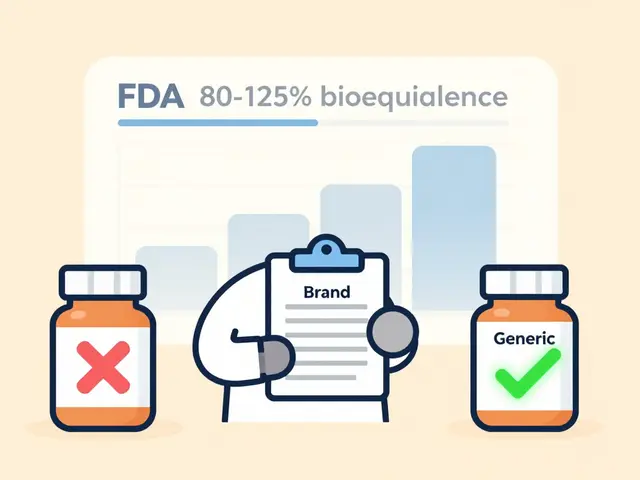
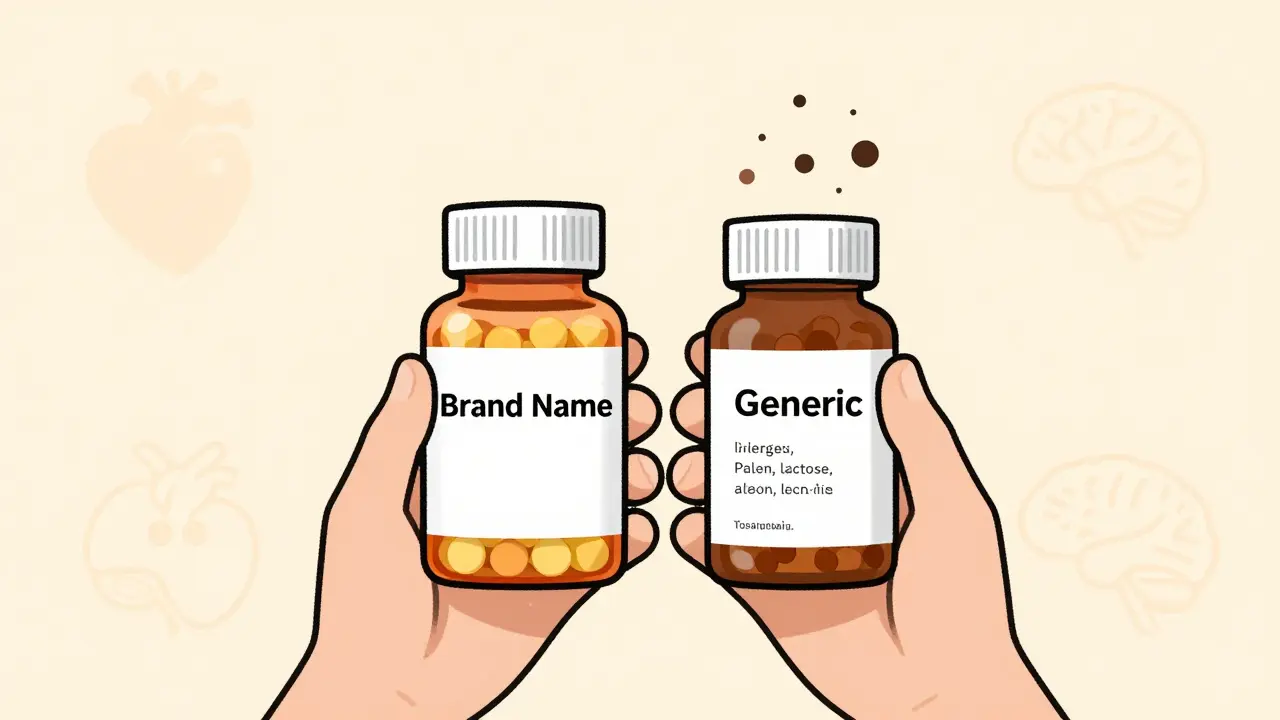
Generics are required by the FDA to have the same active ingredient, strength, and dosage form as the brand-name drug. They’re also tested for bioequivalence-meaning they deliver the same amount of medicine into your bloodstream within a specific range (80% to 125% of the brand’s levels). That sounds perfect. But here’s what’s often overlooked: inactive ingredients are not the same. These include fillers, dyes, preservatives, and coatings. For most people, they’re harmless. But if you’re sensitive to food dyes, lactose, or certain starches, a generic version might trigger a reaction the brand never did. Patients have reported rashes, stomach upset, headaches, or even breakthrough seizures after switching to a generic version of drugs like levothyroxine, warfarin, or phenytoin. In one 2022 study, patients who switched between different generic versions of anti-seizure meds had a 27% higher chance of experiencing a seizure compared to those who stayed on the same formulation. If you’ve noticed a change in how you feel after switching to a generic-especially if your condition was stable before-it’s worth talking to your doctor. This isn’t about brand loyalty. It’s about your body’s response to a specific formulation.When Switching Back Is Medically Necessary
Not all drugs are created equal when it comes to switching. Some medications have what’s called a narrow therapeutic index. That means there’s a very small difference between the dose that works and the dose that causes harm. For these drugs, even tiny variations in absorption can lead to serious consequences. Drugs in this category include:- Warfarin (blood thinner)
- Levothyroxine (thyroid hormone)
- Phenytoin, carbamazepine, and valproic acid (anti-seizure meds)
- Cyclosporine and tacrolimus (organ transplant drugs)
- Lithium (mood stabilizer)
How to Start the Process
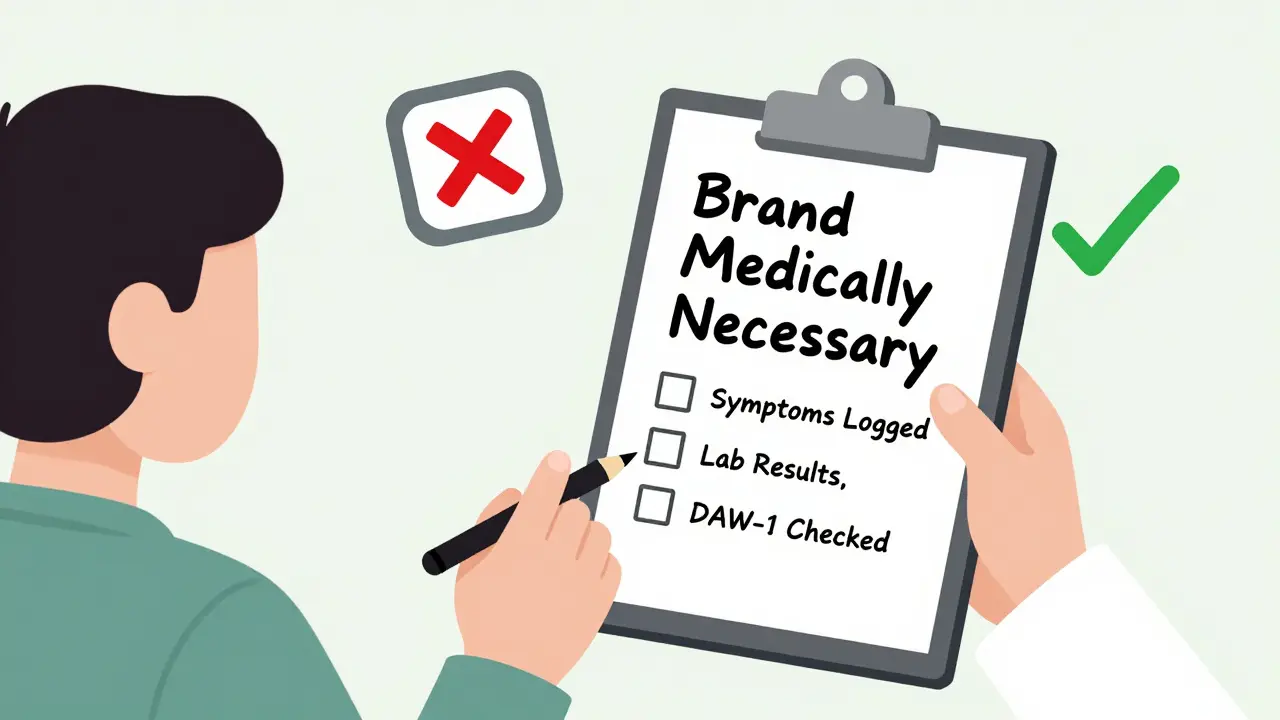
You can’t just walk into a pharmacy and ask for the brand. Insurance won’t cover it unless your doctor proves it’s medically necessary. Here’s how to begin:- Track your symptoms. Write down exactly what changed after switching: new rash, fatigue, irregular heartbeat, mood swings, or lab results like rising INR levels on warfarin. Note the date you switched and what generic you were given.
- Request a lab test. If you’re on a narrow therapeutic index drug, ask your doctor for a blood test to check levels (e.g., TSH for thyroid meds, INR for warfarin). Compare the results to when you were on the brand.
- See your doctor. Bring your notes and lab results. Say clearly: “I was stable on the brand, but since switching to the generic, I’ve had [specific symptoms]. I’d like to switch back.”
- Ask for a “Brand Medically Necessary” prescription. Your doctor must write this clearly on the prescription. For Medicare and many insurers, they’ll need to check a box labeled “DAW-1” (Dispense as Written) or write “Brand Medically Necessary” by hand.
- Provide documentation. Your doctor may need to complete a form (like CMS Form 1490S) or submit a letter explaining why the generic failed. Include lab values, dosage history, and your symptoms.
Insurance and Prior Authorization
This is where most people get stuck. Insurance companies want to save money. If a generic exists, they’ll push for it-unless you prove the brand is essential. In 2023, 68% of Medicare Part D plans required prior authorization for brand-name drugs when a generic was available. That means your doctor has to submit paperwork, and you might wait 3 to 14 days for approval. Some patients report treatment interruptions during this time. Here’s how to improve your chances:- Make sure your doctor uses the exact brand name: “Synthroid 50 mcg,” not just “levothyroxine.”
- Ask your doctor to reference the FDA’s guidance on narrow therapeutic index drugs.
- Submit lab results showing instability on the generic.
- If denied, appeal. According to the AMA, 63.7% of appeals are approved when clinical evidence is strong.
What to Expect at the Pharmacy
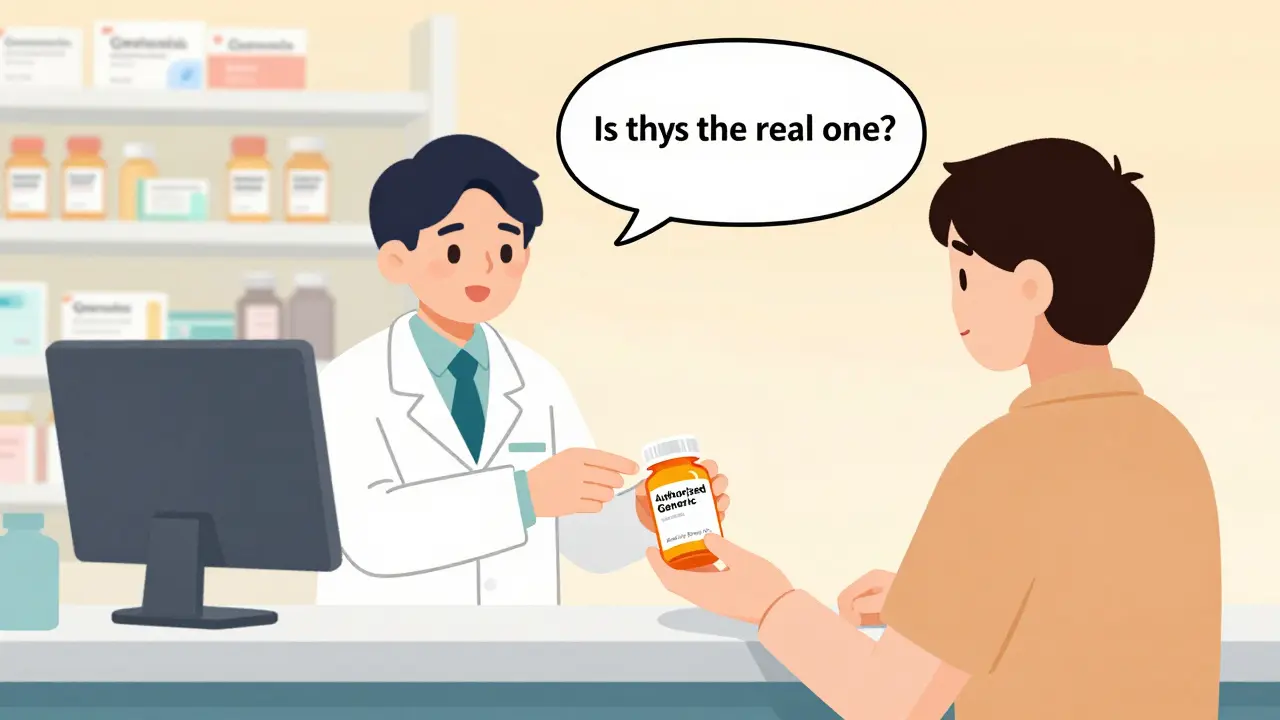
Even with a perfect prescription, you might run into trouble. A 2022 SurveyMonkey poll found that 41.7% of patients who requested a brand-name drug were initially refused by the pharmacy. Why? Pharmacists are trained to dispense the lowest-cost option. They may not realize your prescription is legally protected under “DAW-1.” If the pharmacist says no:- Ask them to call your doctor’s office to confirm the “Brand Medically Necessary” designation.
- Request a different pharmacy. Some chains (like CVS or Walgreens) have better systems for flagging these exceptions.
- Ask for a 3-day emergency supply while they sort it out-many states allow this for critical medications.
What to Do After You Switch Back
Switching back isn’t the end-it’s the start of monitoring. Even if you feel better right away, your doctor should schedule a follow-up within 7 to 10 days.- Repeat key lab tests (INR, TSH, drug levels) to confirm stability.
- Keep a journal of how you feel: energy, sleep, mood, side effects.
- Ask your doctor to update your medical record to reflect that you require the brand for therapeutic stability.
- Consider asking for a long-term prior authorization approval if you’ll need it for months or years.
Common Mistakes to Avoid
Many patients try to switch back on their own-and it backfires. Here’s what not to do:- Don’t stop your medication while waiting for approval. That can cause dangerous rebound effects.
- Don’t assume all generics are the same. One generic might be fine; another might not. If you switch between different generic brands, you’re still at risk.
- Don’t let cost stop you. If your condition is unstable, the cost of a hospital visit or emergency care is far higher.
- Don’t ignore insurance denials. Appeal them. Use your doctor’s notes and lab data as evidence.
Final Thoughts
Switching back from a generic to a brand isn’t about privilege or preference. It’s about safety. For 99% of people, generics work just fine. But for those who react to inactive ingredients or have conditions where tiny changes in drug levels matter, the brand isn’t a luxury-it’s a necessity. The system isn’t perfect. Insurance delays, pharmacy confusion, and lack of awareness make it harder than it should be. But with clear documentation, strong medical support, and persistence, you can get back to the medication that keeps you healthy.Remember: your health isn’t a cost-center. It’s your priority. If you feel worse on a generic, speak up. Document it. Fight for the right medication. You’re not asking for special treatment-you’re asking for the same standard of care everyone else gets.
Can I switch back to a brand-name drug without my doctor’s approval?
No. Even if you feel better on the brand, you need your doctor to write a new prescription with a clear medical justification. Pharmacists are legally required to follow the prescription as written, and insurance won’t cover the brand without documentation. Attempting to switch without a doctor’s order can lead to treatment gaps or insurance denials.
Are brand-name drugs more effective than generics?
For most people, no. Generics meet the same FDA standards for active ingredients and bioequivalence. But effectiveness isn’t just about chemistry-it’s about how your body responds. If you’ve had side effects or loss of control on a generic, the brand may be more effective for you personally, even if lab tests show similar blood levels. Individual biology matters.
Why do some pharmacies refuse to fill brand-name prescriptions?
Pharmacists are trained to minimize costs, and many systems automatically default to generics. If the prescription doesn’t clearly say “Dispense as Written” or “Brand Medically Necessary,” they may assume they can substitute. This isn’t always intentional-it’s a system flaw. Always confirm with your pharmacist that they see the correct designation on your prescription.
How long does it take to get insurance approval for a brand-name drug?
Approval times vary. Most Medicare Part D plans take 7 to 14 days for prior authorization. Some insurers have faster processes for narrow therapeutic index drugs, especially if your doctor includes lab results. In 2024, Medicare is rolling out a new 72-hour fast-track option for certain medications, but it’s not yet universal. If you’re waiting, ask your doctor for a 3-day emergency supply.
What if I can’t afford the brand-name drug even after approval?
Many brand manufacturers offer patient assistance programs. For example, AbbVie (maker of Synthroid) and Pfizer have programs that provide free or discounted medication to qualifying patients. Ask your doctor’s office or pharmacist for help applying. You can also check websites like NeedyMeds.org or the Partnership for Prescription Assistance. Don’t give up-financial help is often available.
Can I switch between different generic versions of the same drug?
It’s risky, especially for narrow therapeutic index drugs. Each generic manufacturer uses different inactive ingredients and manufacturing processes. Switching between generics can cause instability-just like switching from brand to generic. If you’re on a drug like warfarin or levothyroxine, stick with one generic manufacturer or stay on the brand. Ask your pharmacist to fill your prescription with the same generic each time.
Will my insurance cover the brand if I switch back?
Only if your doctor documents medical necessity and your insurer approves it. Insurance companies require proof that the generic failed-like lab results showing unstable levels or documented side effects. Without that, they’ll deny coverage. But with proper documentation, approval rates for appeals are high (63.7%). Don’t accept a denial without appealing.
Next Steps
If you’re considering switching back:- Write down every symptom you’ve noticed since switching to the generic.
- Request any relevant lab tests from your doctor.
- Book an appointment to discuss your concerns.
- Ask your doctor to write the prescription with “Brand Medically Necessary” and DAW-1.
- Call your pharmacy ahead of time to confirm they can fill it.
- Prepare to appeal if your insurance denies the request.